



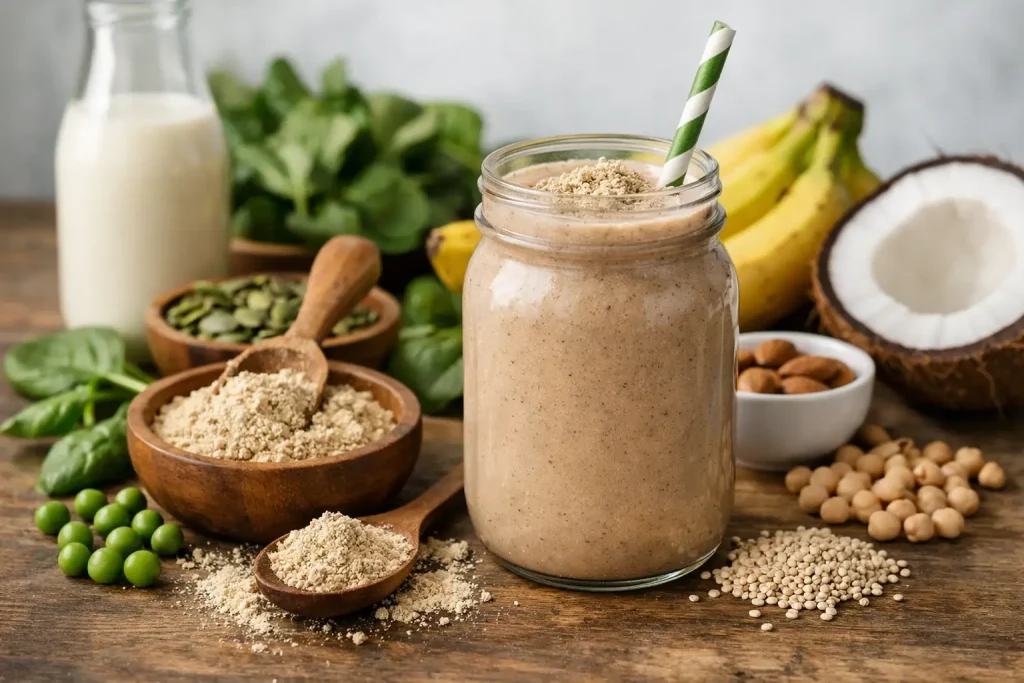
Mornings get rushed, lunches get delayed, and some days dinner is more convenience than nourishment. That is exactly where an organic protein plant based nutritional shake can make a real difference. When chosen carefully, it does more than add protein – it helps fill nutrition gaps, supports steady energy, and gives busy adults a practical way to stay consistent with their wellness goals.
What makes an organic protein plant based nutritional shake worth considering?
Not every shake is built the same. Some are little more than sweetened powders with a protein claim on the label. A well-formulated plant-based nutritional shake should offer meaningful protein, clean sourcing, and ingredients that support broader daily wellness rather than just post-workout recovery.
For many adults, protein intake is less about bodybuilding and more about maintaining a balanced routine. Protein supports muscle maintenance, satiety, and everyday recovery. It can also be helpful during busy workdays, while managing calorie intake, or when appetite is inconsistent. A plant-based shake adds convenience, but the better products also focus on digestibility, ingredient quality, and targeted health benefits.
Organic sourcing matters because it speaks to ingredient standards and a cleaner nutrition profile. For health-conscious consumers, that often aligns with a bigger goal – choosing products that feel trustworthy, minimally compromised, and closer to a natural daily routine.
Protein is only the starting point
A strong shake begins with its protein blend. Plant proteins such as soy, pea, wheat, and pumpkin seed each bring different strengths. Soy is known for its complete amino acid profile. Pea protein is popular for digestibility and satiety. Pumpkin seed contributes added plant nutrients, while blended formulas can create a more balanced nutritional result than relying on a single source.
This is where formulation becomes important. A blend can improve texture, taste, and amino acid variety, but it also needs to fit real-life needs. Some people want a low-calorie option for weight management. Others need a more satisfying shake that can bridge a meal gap. Some are looking for support that goes beyond protein, such as ingredients linked to skin health, joint comfort, or daily vitality.
That broader approach is what turns a protein powder into a nutritional shake. Instead of thinking only about grams of protein, it helps to ask what else the formula is designed to do.
How an organic protein plant based nutritional shake fits daily life
Most people do not need complicated routines. They need something they can use consistently. A shake works well because it fits into the moments when nutrition usually slips.
For working professionals, it can be a quick breakfast before a commute or a reliable afternoon option that prevents vending machine choices. For parents, it can help support nutrition on packed days when meals revolve around everyone else first. For adults trying to manage weight, a low-calorie, high-protein shake may support fullness and reduce the urge to snack impulsively.
It also serves people with dietary preferences or restrictions. Plant-based formulas are often chosen by those reducing dairy, avoiding animal products, or simply looking for lighter digestion. That does not mean every plant-based shake will suit every person. Some may prefer soy-based blends for complete protein, while others may want a mix of sources for variety and texture.
The best option depends on your routine. A shake meant to replace a missed meal should feel more nutritionally complete than one used only after exercise. If your main goal is general wellness, a formula with added functional ingredients may be more useful than a plain protein-only product.
What to look for on the label
A credible shake should be easy to understand. If a label makes big promises but hides behind vague blends and filler ingredients, that is usually a sign to slow down.
Start with the protein sources. They should be clearly named, not buried inside proprietary wording. Then look at sugar content, calorie level, and whether the product includes unnecessary additives. For many consumers, non-GM sourcing and organic ingredients matter because they reflect a stronger quality standard.
Certifications can also add confidence. Manufacturing standards such as GMP and HACCP, along with recognized regulatory approvals, help show that a product is produced with consistency and safety in mind. For a wellness consumer, that is not a small detail. Protein is often taken daily, so quality assurance matters as much as flavor or convenience.
Then there are the functional ingredients. These are what separate a standard shake from a more targeted wellness product. Depending on the formulation, you may see ingredients associated with antioxidant support, beauty nutrition, joint support, metabolic balance, or general vitality. That can be valuable, but only when the formula still keeps protein at the center and avoids becoming a marketing checklist.
Functional benefits can be useful when they are purposeful
One reason consumers are shifting toward more advanced shakes is simple – they want products that do more. A nutritional shake can support protein intake while also aligning with personal health goals.
For example, someone focused on beauty-from-within nutrition may prefer a formula with ingredients associated with skin support, such as biotin, collagen peptides, or antioxidant compounds. Someone concerned about active aging may be more interested in turmeric, sesamin, or other supportive ingredients connected to joint and mobility goals. Others may prioritize eye health, metabolism, or daily immune resilience.
This does not mean one shake can solve everything. That is where expectations need to stay realistic. Functional ingredients work best as part of a consistent routine, not as a shortcut. They should complement a healthy diet and lifestyle, not replace them. Still, when they are thoughtfully chosen, they can make a daily shake feel more relevant to real health concerns.
That is part of why education-led wellness brands stand out. They do not ask consumers to chase trends. They help people understand what they are taking and why it fits their needs.
Taste, texture, and digestion matter more than people admit
Many people stop using protein products for one reason – they do not enjoy them. Even the most carefully designed formula will not help if it sits in the pantry untouched.
Plant-based shakes have improved significantly, but texture can still vary. Some are smooth and light. Others are thicker and more filling. Neither is better in every case. A lighter shake may work well for breakfast or a quick snack, while a thicker one may feel more satisfying when replacing a meal gap.
Digestibility is equally important. Some people tolerate certain plant proteins better than others. Blended formulas can help, but the overall ingredient profile matters too. Sweeteners, gums, and unnecessary fillers can affect how a shake feels after drinking it. If you plan to use a shake regularly, comfort matters just as much as nutrition claims.
Flavor should also fit your routine. Familiar options such as chocolate, vanilla, or coffee-style flavors tend to be the easiest to use consistently. A good flavor profile supports adherence, and adherence is what makes any nutrition habit worthwhile.
Who benefits most from a plant-based nutritional shake?
The answer is broader than many people think. You do not need to be an athlete to benefit from structured protein intake. Adults with busy schedules, older individuals looking to maintain muscle and strength, people trying to improve daily nutrient intake, and anyone seeking a convenient low-calorie option can all benefit.
Plant-based shakes are especially practical for those who want a more flexible nutrition routine. They can fit between meals, after light activity, or as part of a breakfast that needs more staying power. They are also useful during periods when appetite is lower but nutrition still matters.
For consumers who want trust alongside convenience, brand credibility is part of the equation. A product backed by quality standards, clear labeling, and wellness-focused formulation offers a stronger reason to stay consistent. That is where brands like Nuewee can resonate – not just by offering plant-based protein, but by aligning it with practical health goals and dependable quality.
Making your shake work better for you
The most effective shake is the one that fits naturally into your day. Mix it with water when you want a lighter option, or use unsweetened plant milk for a creamier texture. Some people prefer it first thing in the morning. Others get better results using it in the afternoon, when energy and food choices tend to dip.
If you are using a shake for weight support, pay attention to total daily intake rather than treating the shake itself as a solution. If your goal is general nutrition, consistency matters more than timing perfection. And if you are choosing a shake for functional benefits, give it time. Wellness support is usually gradual, not immediate.
A good organic protein plant based nutritional shake should feel simple, reassuring, and useful. It should help you meet your needs without adding friction to your day. When nutrition becomes easier to maintain, healthy choices stop feeling like extra work – and that is often when real progress begins.