



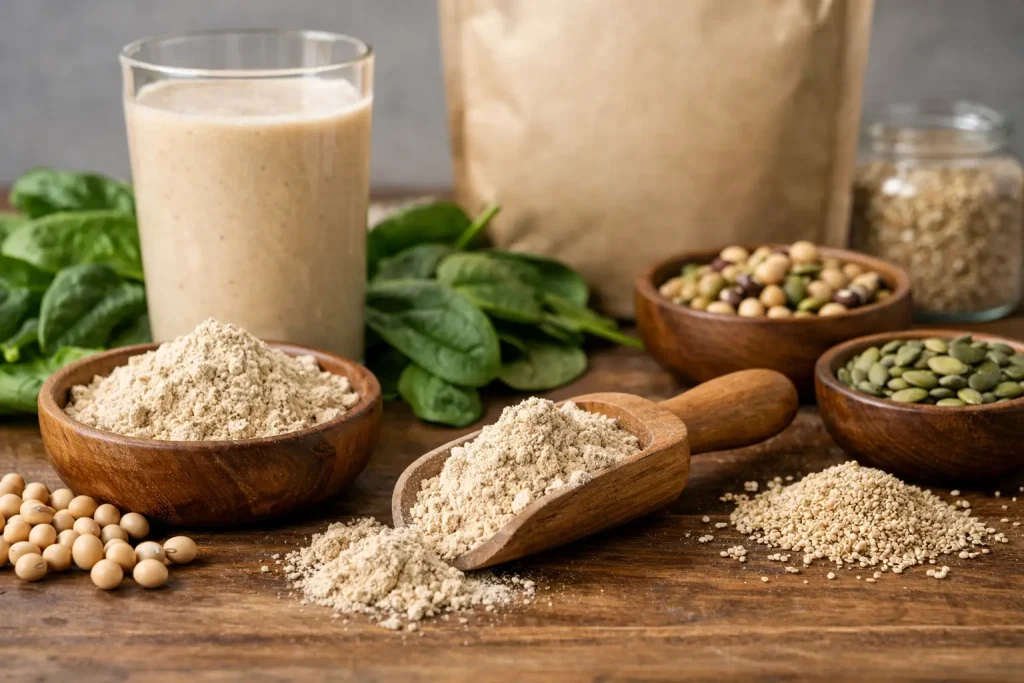
When you turn over a protein tub and read the label, the most useful information is rarely the biggest number on the front. Organic plant based protein powder nutrition facts tell you far more than grams of protein alone. They show whether a powder truly supports your goals for daily nutrition, weight management, digestion, and functional wellness.
For many adults, protein powder is no longer just a gym product. It has become a practical way to fill nutritional gaps during busy workdays, support healthy aging, or make breakfast more balanced. That makes label reading worth doing carefully, especially if you want a formula that is low in calories, easy to digest, and aligned with a more natural lifestyle.
How to read organic plant based protein powder nutrition facts
A nutrition panel gives you a quick snapshot of what each serving delivers. Start with serving size, because every number underneath depends on it. One scoop may be 25 grams in one product and 40 grams in another, so comparing powders without checking serving size can be misleading.
Next, look at protein per serving. Most plant-based powders provide anywhere from 15 to 25 grams. A higher number may sound better, but context matters. If a powder reaches that number by using a very large scoop, adding fillers, or creating a chalky texture you will not enjoy, it may not be the better everyday choice.
Calories also deserve attention. Many people want protein support without turning a shake into a heavy meal. A lower-calorie powder can be useful for weight management or light daily supplementation, while a more calorie-dense formula may suit people replacing meals or trying to increase intake.
Then check carbohydrates, sugars, fats, and fiber. These values affect satiety, digestion, and how easily the product fits into your routine. A powder with moderate fiber may help you feel fuller longer, but very high fiber can feel heavy for some people. A small amount of healthy fat can improve texture and satisfaction, while excess sugar may work against your wellness goals.
The protein number matters, but so does protein quality
Protein grams are the headline, but amino acid quality is what gives protein its real value. Plant proteins come from sources such as soy, pea, wheat, rice, and pumpkin seed. Each source has a slightly different amino acid profile, digestibility level, and texture.
Soy protein is often valued for being a complete protein, meaning it contains all nine essential amino acids. Pea protein is also popular because it is generally well tolerated and has a strong protein yield. Pumpkin seed protein contributes minerals and a more natural, earthy profile. Blends can be especially useful because they help balance amino acids while improving taste and texture.
This is where a simple nutrition panel has limits. It may tell you the total protein, but not always how effectively different protein sources are combined. That is why the ingredient list matters just as much as the numbers box.
Why blended plant proteins can make sense
A single-source powder is not automatically superior. In many cases, a blend offers broader nutritional support and a better drinking experience. Soy may provide a complete amino acid profile, while pea can improve texture and pumpkin seed may add complementary nutrients. The result can be a more balanced formula for regular use.
That said, it depends on your dietary needs. Some people avoid soy, some prefer gluten-free choices, and others want the lightest possible formula for digestion. The best label is the one that matches your body and your routine, not just the one with the biggest claim.
Calories, carbs, sugar, and fat: what the numbers really mean
Many shoppers focus on protein and ignore everything else. That can lead to buying a powder that looks healthy but carries unnecessary extras.
If you are using protein powder between meals, after light exercise, or as part of a calorie-conscious plan, calories per serving should stay in proportion to your goal. A clean formula with moderate protein and controlled calories is often more sustainable than a rich product that feels like a dessert.
Carbohydrates are not a problem by default. They can be useful, especially if you are active or using your shake as breakfast. The better question is where those carbs come from. Naturally occurring carbs from plant ingredients are different from added sugars used mainly for taste.
Sugar is worth checking closely. Some flavored powders rely heavily on sugar, which can raise calories quickly and reduce the product’s value as an everyday wellness supplement. Lower-sugar options are often a better fit for people managing weight, energy dips, or overall dietary balance.
Fat content is usually modest in plant protein powders, but the type and amount still matter. A small amount from seed-based ingredients may contribute to satisfaction and mouthfeel. Excess fat, especially when it does not add meaningful nutritional benefit, can make a powder less versatile.
Fiber and digestion in organic plant based protein powder nutrition facts
One reason many consumers choose plant-based powders is digestive comfort. Fiber often plays a role here. Unlike some animal-based protein powders, plant formulas may provide a small but useful amount of fiber that supports fullness and digestive regularity.
Still, more is not always better. If you already eat a high-fiber diet, a powder with very high fiber may feel too heavy or cause bloating. On the other hand, a formula with no fiber at all may be less satisfying and less aligned with whole-food nutrition principles.
Digestibility also depends on the protein source, sweeteners, thickeners, and overall formula. Some people tolerate soy well, while others prefer pea or seed proteins. A clean ingredient list with fewer unnecessary additives usually makes daily use easier.
The ingredient list reveals what the nutrition panel cannot
Two products can show similar nutrition facts and still be very different in quality. That is why the ingredient list deserves a second look.
A stronger product typically starts with clearly named protein sources rather than vague blends. It should also make sense as a complete formula. If the product includes functional ingredients like turmeric, astaxanthin, mushroom extracts, green tea, biotin, or seed-derived compounds, they should support a defined wellness purpose rather than act as marketing decoration.
This matters for consumers who want more than plain protein. Many adults today are not just looking to build muscle. They want support for skin, joints, eye health, healthy aging, weight control, or filling everyday nutrient gaps. A thoughtfully designed protein powder can help bridge convenience and targeted wellness.
The trade-off is that specialty ingredients should not distract from the basics. If a formula makes ambitious benefit claims but delivers weak protein, high sugar, or too many fillers, it loses its value quickly.
Organic, non-GM, and certifications: why they matter
Nutrition facts tell you what is in a serving, but certifications help support trust in the product behind the label. For many wellness-focused buyers, organic sourcing, non-GM ingredients, and quality systems are part of the decision, not an afterthought.
Organic standards can appeal to consumers who want cleaner sourcing and fewer concerns about synthetic agricultural inputs. Non-GM claims may matter to shoppers who prioritize ingredient transparency. Certifications such as GMP, HACCP, Halal, and appropriate local regulatory approvals add another layer of reassurance around manufacturing quality and consistency.
These markers do not replace nutrition facts, but they do complement them. A strong protein powder should offer both a sensible label and confidence in how the product is made.
What a good daily protein powder should look like
For most health-conscious adults, a good formula offers enough protein to be meaningful, calories that fit a normal routine, controlled sugar, and ingredients that support comfort and consistency. It should be easy to use in water, smoothies, oats, or simple recipes without feeling like a chore.
If you want more specific benefits, choose a formulation designed around your actual goal. A general wellness blend is different from a formula created for skin support, joint support, or weight management. This is where a product-led wellness approach can be especially helpful, because it gives consumers a more practical reason to use protein daily.
Nuewee reflects this shift well by combining organic plant proteins with targeted functional ingredients for broader health support, not just basic supplementation.
The smartest way to compare labels
When comparing products, read the front of the package last. Start with serving size, protein, calories, sugar, fiber, and ingredients. Then ask whether the formula fits your diet, your digestion, and your real-life schedule. A powder only works if you will actually use it consistently.
The best label is not the one with the loudest promise. It is the one that gives you clear nutrition, practical daily value, and enough quality reassurance to make protein supplementation feel simple instead of complicated.
A good protein powder should make healthy habits easier. If the nutrition facts support that goal, the scoop in your shaker becomes more than convenience. It becomes one small, reliable step toward feeling better every day.