



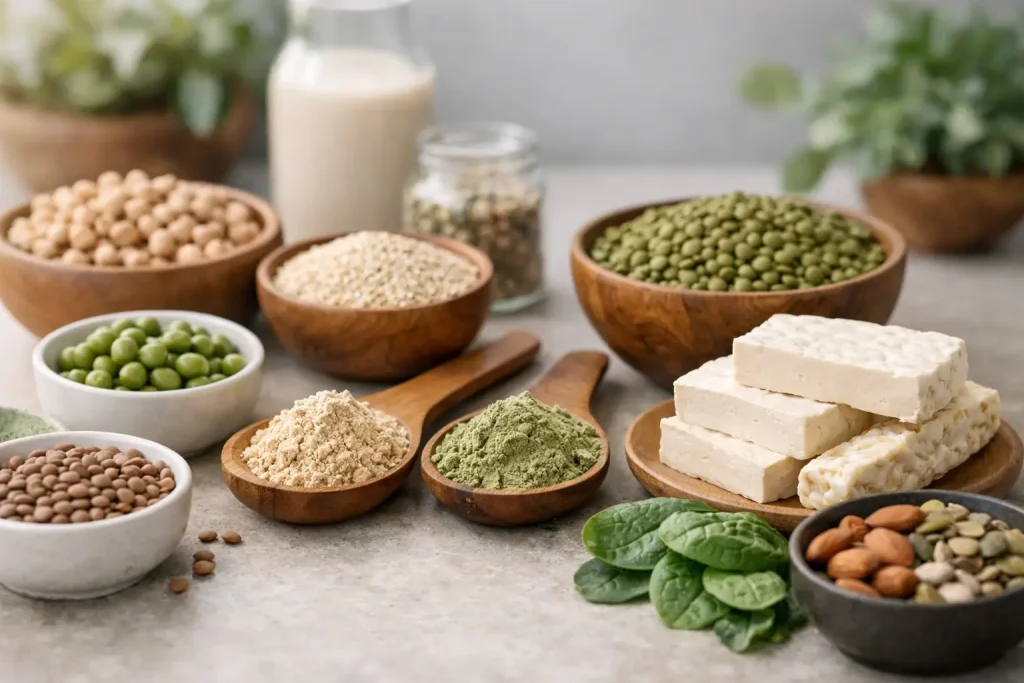
You do not need a bodybuilding goal to care about protein. Most people choosing a plant-based powder are simply trying to make breakfast more filling, support healthy aging, manage weight, or cover nutrition gaps on busy days. That is exactly why understanding how to choose plant protein matters – the best option is not the one with the biggest number on the label, but the one you will actually use consistently and tolerate well.
How to choose plant protein starts with your real goal
A protein powder can do different jobs depending on the person using it. Some people want help staying full between meals. Others want post-workout recovery, better daily nutrition, or a convenient option that fits a lower-calorie routine. If you are shopping without a clear goal, every package starts to look the same.
Start by asking what you want the product to do in your everyday routine. If your main goal is satiety and weight management, look for a formula that gives a meaningful amount of protein per serving without adding too much sugar or excess calories. If your goal is recovery or active lifestyle support, protein amount and amino acid quality become more important. If your concern is broader wellness, a blend that pairs plant protein with targeted ingredients for skin, joints, energy, or immunity may make more sense than a plain protein powder.
That is where many shoppers get stuck. They compare protein powders as if they are interchangeable, when in reality one formula may be designed for simple protein intake and another may be built as a functional wellness product.
Look beyond total grams of protein
The first thing most people check is protein per serving. That number matters, but it is not the full story. A 20-gram serving is not automatically better than a 15-gram serving if the taste is unpleasant, the formula is hard to digest, or the serving size is unrealistic for daily use.
Protein quality depends on the amino acid profile and how well the body can use it. Different plant proteins bring different strengths. Soy protein is one of the most complete plant proteins and is often chosen for balanced amino acids. Pea protein is popular for its digestibility and strong protein content. Wheat protein can contribute texture and amino support in blends, while pumpkin seed protein adds plant-based nutrition and a different nutrient profile.
Many of the most practical products use a blend rather than a single protein source. That can help create a more complete amino acid profile while also improving taste and texture. For everyday consumers, this often makes more sense than focusing on one trendy ingredient.
Single-source vs blended proteins
Single-source proteins can be useful if you know exactly what works for your body. For example, some people specifically prefer soy, while others want pea-based products because they find them easier on digestion. But blended proteins often offer a more balanced result, especially for people who want daily convenience rather than a highly specialized sports nutrition product.
A blend may also create a smoother drink and less chalky mouthfeel, which matters more than people expect. If a powder tastes unpleasant, it usually ends up pushed to the back of the cabinet.
Check digestibility before you commit
A protein powder is only helpful if your body handles it comfortably. Bloating, heaviness, and stomach discomfort are common reasons people give up on supplementation. This is why digestibility should be one of your main filters when deciding how to choose plant protein.
Some people do very well with soy. Others prefer pea or pumpkin seed blends. It depends on your digestion, your sensitivities, and how the formula is built. Flavoring systems, sweeteners, thickeners, and added fibers can all affect how a product feels after you drink it.
If you have a sensitive stomach, keep the ingredient list practical. A shorter ingredient panel is not always better, but it can be easier to evaluate. Look for formulas designed for regular use, with clean sourcing and thoughtful combinations instead of a long list of trendy additions that do not clearly support the purpose of the product.
Read the full label, not just the front
Front-of-pack claims are designed to catch attention. The nutrition panel and ingredient list tell you what you are really buying.
Pay attention to sugar, calorie level, and serving size. A protein powder marketed as healthy can still be high in sweeteners or require a very large scoop to reach the promised protein amount. If you want something for daily wellness, a lower-calorie formula with a practical serving size is often easier to maintain.
It also helps to look for non-GM ingredients and quality assurance standards. Certifications such as Halal, HACCP, GMP, and relevant regulatory approvals can give extra confidence, especially if you are using the product every day or choosing it for your family. Safety and consistency matter just as much as nutrition claims.
Added functional ingredients can be useful – if they match your needs
Not every protein powder needs to do more than provide protein. But for many wellness-focused adults, a functional blend can make daily supplementation more efficient. Ingredients such as turmeric, green tea, sea buckthorn, astaxanthin, biotin, or mushroom compounds may support broader health goals when used in the right context.
The key is relevance. If your concern is healthy skin, you may benefit from a formula built around beauty and skin support. If your focus is joint comfort, active aging, or overall mobility, a different blend may be more appropriate. A targeted product is helpful when the added ingredients are there for a clear reason, not just for label appeal.
Match the protein to your lifestyle
The best protein powder fits your routine with very little friction. If you are a working professional, you may want a formula that mixes quickly with water and tastes good on its own. If you are a parent, you may care more about versatility in smoothies, oats, or simple recipes. If you are using protein as a meal support tool, taste satisfaction and fullness may matter more than maximum grams per scoop.
This is why flavor should not be treated as a minor detail. Consistency comes from convenience, and convenience includes enjoyment. A well-formulated protein should feel easy to use, not like a daily compromise.
Think about when you will actually take it. Morning routines, post-workout recovery, mid-afternoon hunger, and evening nutrition support each call for slightly different expectations. Someone using protein after exercise may prioritize higher protein density. Someone using it as a snack replacement may value creaminess, satiety, and lower calories.
How to choose plant protein if you have dietary restrictions
Plant protein is often a good option for people avoiding dairy, but plant-based does not automatically mean suitable for everyone. You still need to check for allergens, gluten content, soy content, and any added ingredients that may not align with your diet.
If you avoid dairy because of digestion concerns, a plant-based powder may feel lighter. If you avoid animal products for personal or religious reasons, certifications become especially important. If you are managing calories or sugar intake, compare labels carefully rather than assuming all wellness powders are balanced.
This is also where brand trust matters. When a company emphasizes natural sourcing, non-GM ingredients, and recognized quality standards, it becomes easier to choose with confidence.
A simple way to compare products
If you feel overwhelmed by choices, compare products using five practical questions. Does it give enough protein for your goal? Can you digest it comfortably? Does the ingredient list make sense for your needs? Is it backed by credible quality standards? And will you realistically enjoy taking it several times a week?
That approach is more useful than chasing whichever powder is currently popular online. A plant protein that supports your real routine will always outperform one that looks impressive but does not fit your life.
For many people, the right answer is a clean, plant-based blend that delivers reliable protein, keeps calories reasonable, and offers added functional benefits that support a broader wellness goal. That is the difference between buying a product and building a habit.
If you are still unsure, start simple. Choose a formula that matches your primary goal, uses protein sources you are comfortable with, and comes from a brand that treats quality and safety as part of the product itself, not just the marketing. Nuewee’s approach to plant-based functional protein reflects that mindset well – practical nutrition, targeted support, and quality you can trust day after day.
A good protein powder should make healthy choices easier, not more complicated. When it fits your body, your goals, and your routine, it stops feeling like a supplement and starts feeling like part of a better day.