



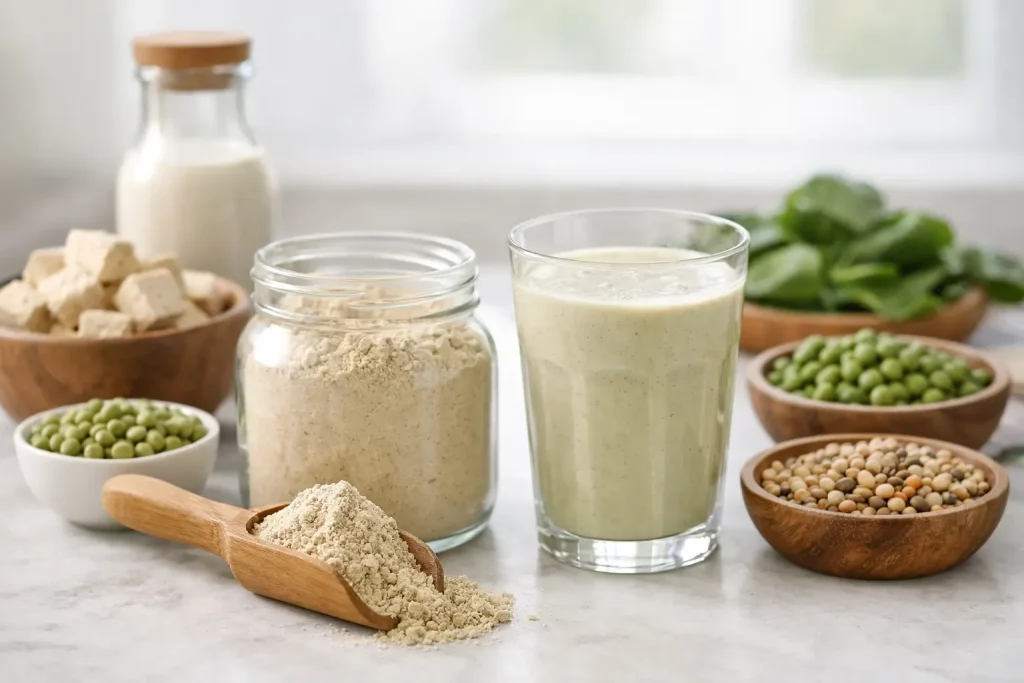
A protein shake should leave you feeling nourished, not bloated, heavy, or uncomfortable. That is why easy to digest plant protein powder has become such a practical choice for people who want daily protein support without the stomach issues that can come with some dairy-based formulas or overly complicated blends.
For many adults, digestion is the deciding factor. You may want more protein for energy, weight management, muscle maintenance, or filling nutrition gaps, but if a powder causes gas, cramping, or a too-full feeling, consistency becomes difficult. The best plant-based option is not simply the one with the highest protein number on the label. It is the one your body can tolerate well enough to use every day.
What makes plant protein easier to digest?
Digestibility usually comes down to four things: the protein source, the ingredient quality, the serving design, and what else is added to the formula. Plant protein is not automatically easy on the stomach, but the right combination can feel noticeably lighter.
Pea protein is one of the most common choices because it offers a solid amino acid profile and is often gentler than dairy for people with sensitive digestion. Soy protein can also work well for many adults and is valued for being a complete protein. Pumpkin seed protein and wheat protein may be included in blends to broaden the nutrient profile and create a smoother texture. In many cases, a blend digests better than a single-source powder because it balances texture, taste, and amino acid delivery.
Processing matters too. A cleaner, more refined protein ingredient may mix better and sit more comfortably than a gritty powder loaded with fillers. Non-GM sourcing, careful quality control, and tested manufacturing standards are not just brand claims. They can affect how consistently a product performs from scoop to scoop.
Then there is the rest of the formula. Some protein powders include heavy sweeteners, sugar alcohols, or unnecessary thickeners that can trigger digestive discomfort. Others are designed more thoughtfully, with a lower-calorie profile and targeted functional ingredients that support specific wellness goals without making the shake feel overloaded.
How to choose an easy to digest plant protein powder
The label tells you more than the front-of-pack marketing. If you want a powder that fits daily life, it helps to look at the formula the way a nutrition professional would.
Start with the protein source. If dairy has never agreed with you, a plant blend can be a smart step. If legumes sometimes bother your stomach, a formula that combines pea with other plant proteins may feel better than a high dose of pea alone. If you already know soy works well for you, that can be a reliable base for everyday use. There is no universal winner here. Digestive comfort is personal.
Next, check the ingredient list length and purpose. A shorter list is not always better, especially if the added ingredients serve a clear functional role. Turmeric, green tea, sea buckthorn, biotin, or mushroom-based ingredients may offer benefits beyond protein when used with intention. What matters is whether the formulation feels focused rather than crowded.
You should also pay attention to sweetness and texture. Some people tolerate natural flavors and standard sweeteners well, while others do better with milder flavor systems. A very thick shake can feel satisfying to one person and too heavy to another. This is why a powder that works beautifully in water may feel very different when mixed with milk alternatives, oats, nut butters, or fruit.
Why blends often work better than single proteins
A single-ingredient protein powder sounds simple, but simple does not always mean more effective or more comfortable. Blended plant proteins are often easier to use because they solve several problems at once.
First, they can improve the amino acid balance. Second, they can improve taste and texture, which makes daily use more realistic. Third, they may reduce the strong aftertaste or chalkiness that some single-source proteins have. When a powder tastes better and feels lighter, people are more likely to stick with it.
This matters for anyone trying to meet daily protein needs without turning nutrition into a chore. Working adults, parents, and people with busy schedules often need convenience more than perfection. A well-designed plant blend can support that routine by fitting into breakfast, post-workout recovery, or an afternoon snack without digestive drama.
Functional ingredients can change the experience
Protein does not have to be one-dimensional. For many consumers, the real value is in choosing a formula that supports both nutrition and a specific wellness goal.
This is where plant protein powders with targeted ingredients stand out. A blend designed for skin support may include ingredients such as biotin, collagen peptides, or antioxidant compounds. A formula intended for joint support may combine plant protein with turmeric or other supportive nutrients. An option focused on general wellness may include green tea, sea buckthorn, or specialty mushroom ingredients to complement daily nutrition.
The key is balance. Functional ingredients should support the main purpose of the product, not distract from it. If the powder still mixes well, tastes pleasant, and feels comfortable after drinking it, the added wellness angle becomes a genuine advantage.
Nuewee reflects this more practical approach to supplementation by pairing plant-based protein with purpose-driven ingredients that fit everyday health goals instead of offering protein as an isolated nutrient.
Common reasons a protein powder feels hard to digest
Sometimes the protein itself is not the whole issue. The problem may be how and when you use it.
Drinking a shake too quickly can leave you feeling overly full. Mixing protein powder into a very large smoothie with fruit, seeds, nut butter, and oats can create a meal that is harder to digest than the powder alone. Taking protein on an empty stomach may feel fine for one person and uncomfortable for another.
Serving size matters as well. If you are new to supplementation, starting with a half serving can be a smart way to assess tolerance. Your digestive system may do better with a moderate amount used consistently than with a large serving taken occasionally.
Temperature can even play a role. Some people find room-temperature or lightly chilled drinks easier on the stomach than ice-cold shakes. Small adjustments like these are easy to overlook, but they can make a noticeable difference.
Who benefits most from easy-digesting protein?
This type of product is especially useful for adults who want practical nutrition support without adding complexity to their routine. That includes people trying to increase protein intake during busy workweeks, parents who skip meals, adults managing calorie intake, and anyone moving toward a more plant-based lifestyle.
It can also be a good fit for those who want a lighter alternative to traditional whey shakes. Many people are not allergic to dairy but simply feel better without it. Others want a plant-based formula because it aligns with their dietary preferences, ethical choices, or desire for a more varied protein intake.
For aging adults, easy digestion becomes even more relevant. Protein is important for maintaining muscle, recovery, and general strength, but heavy formulas may be less appealing. A smooth, lower-calorie plant protein can be easier to maintain as a daily habit.
How to use it for better daily results
The best time to use plant protein powder depends on your goal. If you want steadier energy and fewer skipped meals, breakfast is often the easiest time. If your focus is recovery, a serving after activity may make more sense. If appetite control is the priority, a mid-morning or afternoon shake can help bridge long gaps between meals.
What matters most is consistency. Protein powders work best when they solve a real daily need. That could mean blending one into a simple breakfast, shaking it with water after a workout, or using it as a more balanced snack instead of reaching for processed convenience foods.
Keep the preparation simple at first. Try the powder with water or an unsweetened milk alternative before adding extra ingredients. This helps you judge taste, texture, and digestive comfort more accurately. Once you know it works for you, you can build from there.
Easy to digest plant protein powder is about more than comfort
Digestive comfort is the starting point, but not the whole story. A truly useful protein powder should also support your nutritional goals, fit your schedule, and feel like something you can return to every day. That means looking beyond trendy claims and choosing a formula built with quality ingredients, sensible protein sources, and a clear wellness purpose.
If a powder is gentle enough to use consistently, satisfying enough to replace less nutritious options, and thoughtfully formulated for real-life needs, it becomes more than a supplement. It becomes a reliable part of how you care for your body.
A good protein routine should feel supportive, not stressful. When your shake sits well, tastes good, and fits your health goals, staying consistent becomes much easier.