



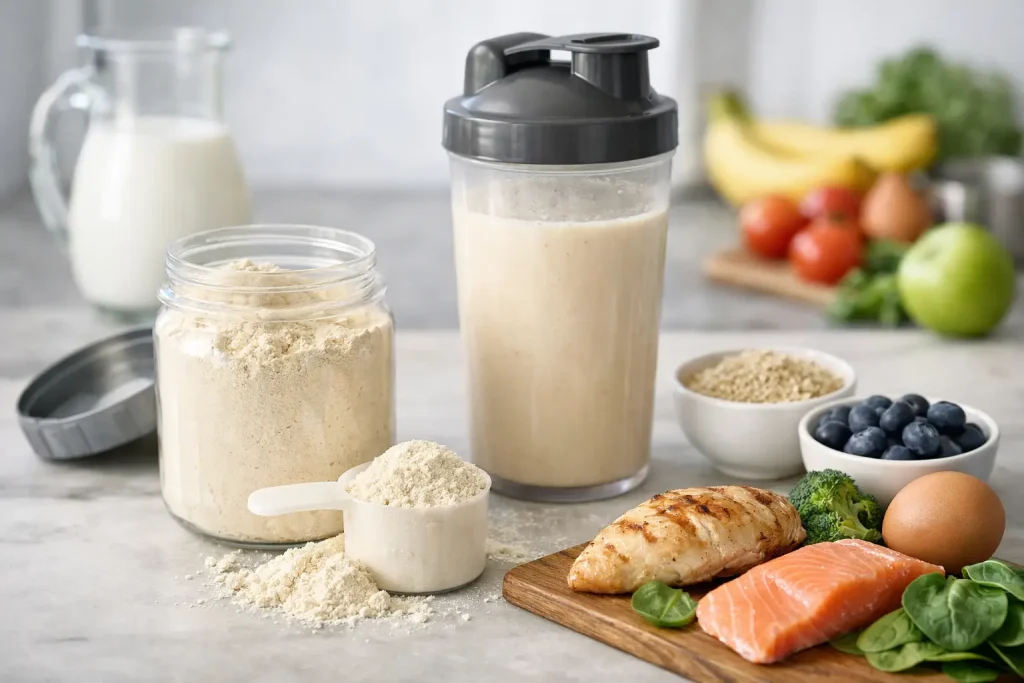
Skipping breakfast, eating lunch at your desk, and grabbing whatever is available at 4 p.m. can quietly create nutrient shortfalls over time. That is where protein powder for nutritional gaps can be genuinely useful – not as a replacement for real food, but as a practical tool for people who want more consistent nutrition without adding complexity to the day.
For many adults, the challenge is not a complete lack of food. It is uneven nutrition. One meal may be heavy on refined carbs, another may be too light on protein, and another may miss fiber, healthy fats, or supportive micronutrients. When that pattern repeats, energy, appetite control, recovery, and general wellness can all feel less stable than they should.
Why nutritional gaps happen so easily
Modern eating habits often work against nutritional consistency. Busy professionals may delay meals, parents may prioritize convenience over balance, and people following plant-based or restricted diets may struggle to get enough protein from whole foods alone every single day. Even health-conscious adults can fall short when schedules get packed.
Protein is one of the most common weak points. Many people assume they are getting enough, but intake can be surprisingly low when meals are built around toast, cereal, noodles, pastries, salads without a protein source, or snack foods that fill space without adding much nutritional value. Low protein intake does not only affect muscle. It can influence fullness, daily energy, and the body’s ability to maintain and repair tissues.
This is why protein powders have moved beyond the sports category. They now serve a broader purpose for everyday wellness, especially for people who want low-calorie, easy-to-prepare support that fits into normal routines.
How protein powder for nutritional gaps actually helps
A good protein powder helps close one of the most common deficiencies in modern diets – inadequate protein across the day. That matters because protein supports muscle maintenance, satiety, healthy aging, and many basic repair functions in the body. If breakfast is light and lunch is inconsistent, a protein shake or protein-enriched snack can help create a more balanced intake pattern.
There is also a convenience advantage. Whole foods should still do most of the work, but preparing balanced meals is not always realistic. Protein powder offers portion control, portability, and speed. It can be mixed into water, blended into smoothies, stirred into oats, or added to recipes without requiring major meal planning.
The better formulas do more than add grams of protein. They may also include targeted ingredients that support broader wellness goals such as skin health, joint comfort, eye support, weight management, or antioxidant protection. For consumers who want functional nutrition rather than a single-purpose gym product, this can make the powder more relevant to daily life.
Not all protein powders fill gaps in the same way
This is where some caution helps. A protein powder can support nutritional gaps, but it can also miss the mark if the formula is poorly designed. Some products are loaded with sugar, artificial ingredients, or unnecessary fillers. Others provide protein but little else. Some are difficult to digest, which makes them hard to use consistently.
A more useful option is one built around high-quality protein sources and practical daily benefits. Plant-based blends can be especially appealing for adults who prefer lighter digestion, lower-calorie options, or non-dairy nutrition. Ingredients such as soy, pea, wheat, and pumpkin seed can work together to provide a more balanced amino acid profile than a single-source formula alone.
Quality also matters beyond the ingredient panel. Many health-conscious consumers now look for non-GM sourcing and recognized manufacturing standards because trust is part of the value. Certifications such as Halal, HACCP, GMP, and formal product approvals can give added reassurance that the product was produced with safety and consistency in mind.
Who benefits most from protein powder for nutritional gaps
The most obvious group is busy adults with irregular meal patterns. If mornings are rushed and afternoons rely on convenience foods, protein powder can help smooth out nutritional inconsistencies before they become habits.
Plant-based eaters may also benefit, especially if they are still learning how to build complete, satisfying meals from whole food proteins. While beans, tofu, tempeh, lentils, nuts, and seeds are valuable, they do require planning. A powder offers backup on the days when meals are less structured.
Older adults and anyone focused on healthy aging may find it helpful as well. Appetite can fluctuate, chewing can become less comfortable for some people, and protein needs do not disappear with age. In many cases, they become more important.
Then there are people who are not trying to gain muscle at all. They simply want better appetite control, steadier energy, or support for specific concerns such as skin, joints, or general recovery. For this group, a functional protein product can fit naturally into daily wellness.
What to look for in a functional protein powder
The first priority is still protein quality. Look for a formula that provides a meaningful serving of protein and uses sources that align with your dietary preferences and tolerance. Plant-based blends are often a strong option because they can combine complementary proteins while remaining suitable for more lifestyles.
Next, consider whether the formula has a purpose beyond basic protein. This is where functional ingredients can make a difference. Turmeric may appeal to those interested in active joint support. Astaxanthin may fit antioxidant-focused wellness routines. Sea buckthorn, biotin, or collagen peptides may attract consumers who want beauty-from-within support. Green tea, sesamin, or mushroom ingredients may be relevant depending on the product’s focus.
That said, more ingredients do not always mean a better product. The formula should be coherent. It should solve a clear need, not just stack trendy additions onto a protein base.
Taste and digestibility matter too. A powder only works if you use it consistently. Smooth texture, approachable flavors, and a light feel are often what separate a product that sits in the pantry from one that becomes part of a routine.
How to use protein powder without replacing real meals
One of the biggest misunderstandings around supplements is that they should do the entire job of nutrition. They should not. Protein powder works best when it fills a gap, supports a rushed meal, or adds protein to foods that would otherwise be low in it.
A simple shake between meals can help on days when lunch is delayed. Mixing protein into oatmeal can turn a carb-heavy breakfast into something more satisfying. Blending it with fruit, greens, and healthy fats can create a more complete smoothie. Some people even use it in pancakes, yogurt bowls, or baked snacks for a more balanced option.
The right routine depends on the individual. Someone trying to control afternoon cravings may use it as a mid-morning or late-afternoon snack. Someone with a light breakfast may use it first thing in the morning. Someone focusing on recovery may take it after exercise. There is no universal rule, which is why flexible products tend to work best.
When protein powder is helpful, and when it is not enough
Protein powder is a smart support tool, but it does have limits. If the larger diet is lacking fruits, vegetables, fiber, hydration, and overall variety, protein alone will not fix that. If fatigue, hair loss, digestive issues, or poor immunity are persistent, a deeper nutritional or medical assessment may be needed.
It also matters how the powder is used. Adding it on top of an already excessive calorie intake may not support weight goals. Choosing a low-quality formula with lots of added sugar may work against metabolic balance. And relying on shakes while skipping whole meals too often can lead to a less satisfying diet overall.
The goal is not perfection. The goal is to make better nutrition easier to maintain.
A smarter everyday wellness approach
For many households, the best health habits are the ones that fit real life. A well-formulated protein powder can help bridge the gap between intention and consistency by making balanced nutrition more convenient, especially for people juggling work, family, and changing health priorities.
That is why functional, plant-based options have become more relevant. They meet people where they are – busy, health-aware, and looking for nutrition that does more than check one box. Brands like Nuewee reflect that shift by combining quality protein with targeted wellness support in a format that feels practical, not complicated.
If your meals are not always ideal, that does not mean your nutrition has to fall apart. Sometimes one simple, reliable habit is enough to bring the day back into balance.