



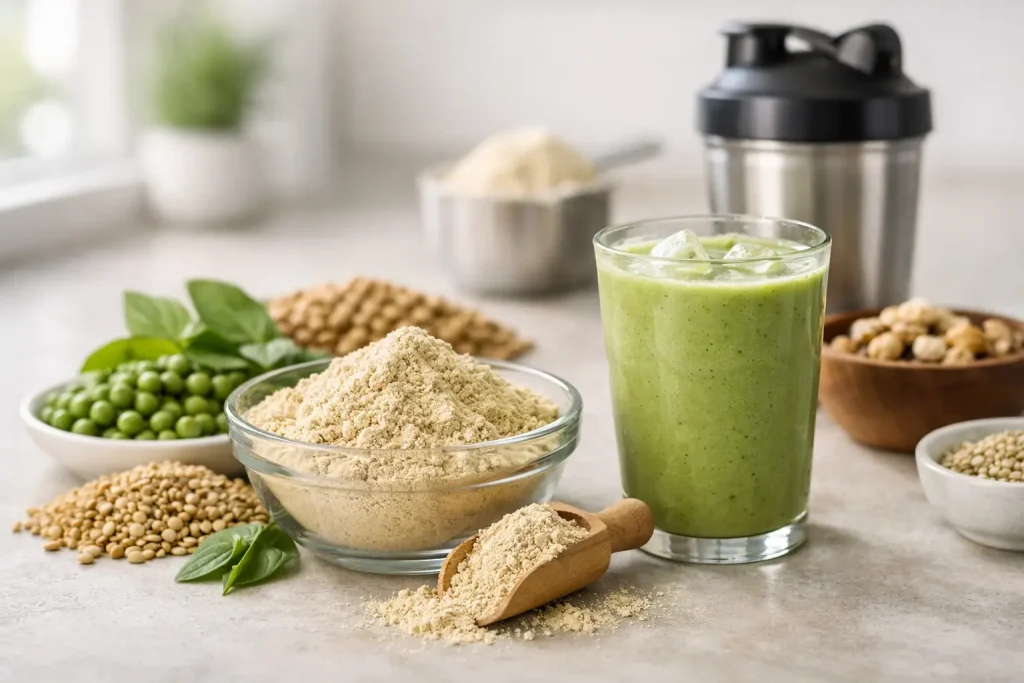
Some people buy plant protein powder with the best intentions, use it for three days, and then let it sit in the pantry. Usually the problem is not the protein itself. It is not knowing how to use plant protein powder in a way that feels easy, enjoyable, and realistic every day.
The good news is that plant protein powder is one of the simplest nutrition tools you can add to your routine. It can help fill protein gaps, support muscle maintenance, improve satiety, and make busy days easier to manage. For many adults, especially those balancing work, family, and health goals, it is a practical way to get more from a snack, breakfast, or post-workout meal without adding a lot of calories or preparation time.
How to use plant protein powder in real life
The best way to use plant protein powder is to treat it as a food-first support tool, not a magic fix. That means fitting it into meals and habits you already have instead of building your whole day around it.
For most people, the easiest starting point is one serving a day. You can blend it into a smoothie, shake it with water or milk, or stir it into foods you already eat, such as oatmeal or yogurt alternatives. If your diet is low in protein, or if you are more active, you may use it more than once a day, but your ideal amount depends on your size, activity level, and overall food intake.
A simple question helps here: where do you consistently fall short? If breakfast is usually coffee and toast, protein powder can make that meal more balanced. If afternoons bring energy dips and snack cravings, a protein shake may help keep you satisfied. If you exercise, it can be a convenient option after training when you want something light and easy to digest.
Start with the right serving size
One of the most common mistakes is using too much too soon. More is not always better, especially if you are new to protein supplements or have a sensitive stomach.
Most plant protein powders provide around 15 to 25 grams of protein per serving. That is a useful amount for a snack or light meal support. If you are unsure how your body will respond, begin with half a serving for a few days. This gives you time to assess taste, texture, and digestion.
It also helps to read the label carefully. Some formulas are designed for basic protein support, while others include added functional ingredients for goals such as skin health, joint support, weight management, or general wellness. In those cases, following the brand’s serving recommendation matters, because the product is formulated to deliver a specific balance of protein and complementary nutrients.
When to take plant protein powder
There is no single perfect time. The best time is the one you can follow consistently.
Morning is a strong option if you want a more satisfying start to the day. Many breakfasts are high in carbohydrates but low in protein, which can leave you hungry soon after eating. Adding plant protein powder to a smoothie, overnight oats, or pancake batter can make breakfast more balanced and help support steadier energy.
After exercise is another common choice. Protein supports muscle repair and maintenance, and a shake is often the fastest and most convenient option when you do not feel like preparing a full meal. This matters not only for gym-goers. Walking, cycling, yoga, strength training, and active work schedules can all increase your protein needs.
Between meals can work well too, especially if you are trying to reduce mindless snacking. A protein-based snack usually keeps you fuller than a snack built mostly around sugar or refined carbs. That said, if your main goal is weight management, portion control still matters. A shake can support your plan, but it should fit into your total daily intake.
The easiest ways to use plant protein powder
Shakes are the obvious starting point, and for good reason. They are quick, portable, and easy to customize. Mix your powder with water for a lighter option, or use soy milk, almond milk, oat milk, or dairy milk if you want a creamier texture. Adding fruit, nut butter, oats, or seeds can turn it into a more complete mini-meal.
But shakes are only one option. If you get tired of drinking your protein, folding it into food often works better long term.
Add it to breakfast
Plant protein powder blends well into oatmeal, chia pudding, overnight oats, smoothie bowls, and yogurt-style bowls. The key is to adjust liquid as needed, because protein powder thickens mixtures quickly. Start with a small amount and stir well to avoid clumping.
If you like warm breakfasts, mix the powder in after cooking rather than exposing it to very high heat for too long. This usually gives a better texture and flavor.
Use it in baking
You can add plant protein powder to muffins, pancakes, waffles, and energy bites. The trade-off is that too much powder can make baked goods dry or dense. A good rule is to replace only part of the flour, not all of it. This keeps the recipe enjoyable while still increasing the protein content.
Stir it into simple snacks
If you want something fast, blend a scoop into a banana smoothie, mix it into nut butter for a fruit dip, or stir it into a yogurt alternative. These small upgrades can make everyday snacks more functional without adding much effort.
How to make it taste better
Taste matters more than people admit. If you do not enjoy the flavor or texture, consistency becomes difficult.
First, match the flavor to the use. Vanilla tends to be the most flexible for smoothies, oats, and baking. Chocolate works well in shakes and dessert-style recipes. Unflavored powders are useful if you want to control sweetness or add protein to savory foods.
Second, pay attention to texture. Some plant proteins, especially pea or seed-based blends, can taste earthy or feel slightly grainy if mixed poorly. A blender bottle helps, but a countertop blender usually gives the smoothest result. Chilling the liquid first can also improve the experience.
Third, avoid overcomplicating it. If a shake needs ten ingredients to taste good, it may not fit a busy lifestyle. Start with a base you already like and build from there.
Choose a product that fits your goal
If you are learning how to use plant protein powder, the product itself makes a big difference. Not all formulas are designed for the same purpose.
A basic protein blend may be enough if you simply want more daily protein. But some products go further by combining plant protein with functional ingredients that support specific wellness goals, such as skin nutrition, joint comfort, eye support, or weight management. For people who want convenience and targeted benefits in one step, that kind of formula can make supplementation feel more relevant and easier to maintain.
This is also where quality matters. Many wellness consumers look for plant-based products that are non-GM, low in calories, and made under recognized safety and quality standards. Trust is part of the routine. If you are using a product regularly, you want confidence in sourcing, formulation, and manufacturing practices. Brands such as Nuewee have built their approach around that expectation, pairing plant protein with condition-specific ingredients in a format that fits everyday use.
Common mistakes to avoid
One mistake is using protein powder to replace too many whole foods. Protein powder is convenient, but it works best alongside a balanced diet that includes fruits, vegetables, healthy fats, and fiber-rich carbohydrates.
Another is expecting instant results. Protein supports your goals, but it does not override your overall eating habits, sleep, activity, or stress levels. If your aim is better energy, body composition support, or improved satiety, consistency matters more than taking one perfect shake.
Digestive comfort is another area to watch. Some people tolerate certain plant proteins better than others. Soy, pea, wheat, and seed-based proteins all have different textures and digestion profiles. If one formula does not suit you, that does not mean plant protein powder is not for you. It may simply mean you need a different blend.
Finally, do not forget hydration. Higher protein intake often feels better when your water intake is also adequate.
A simple routine you can actually keep
If you want the easiest path, start with one predictable use each day. Add plant protein powder to breakfast, or keep a shake ready for your afternoon snack. Stay with that habit for a week before trying more recipes or extra servings.
That approach is often more effective than trying to change everything at once. The goal is not to make your routine perfect. The goal is to make good nutrition easier to repeat.
When plant protein powder fits naturally into your day, it stops feeling like a supplement you have to remember and starts feeling like part of how you take care of yourself. That is usually when the real benefits show up.