



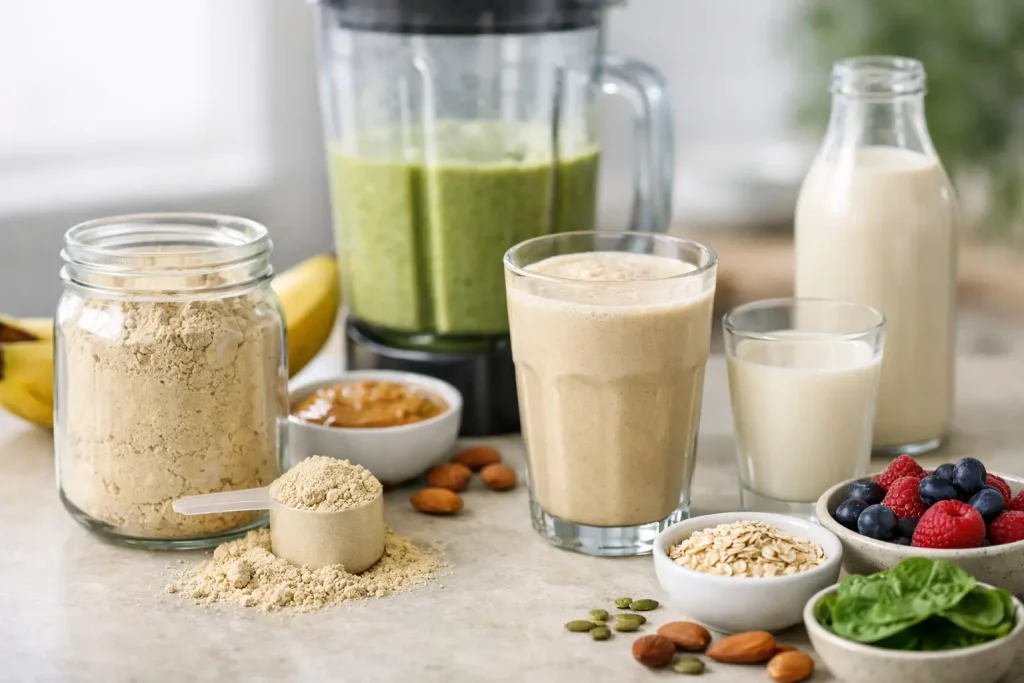
A scoop of plant protein can make breakfast easier, help fill nutrition gaps, or support recovery after a long day – but the wrong mixer can leave you with a chalky drink you never want to make again. If you have been wondering what to mix with plant protein powder, the best answer depends on what you want from it: better taste, smoother texture, more staying power, or support for a specific wellness goal.
Plant protein is flexible, which is one reason it fits so well into busy routines. Pea, soy, pumpkin seed, and blended plant proteins can work in simple shakes, quick breakfasts, and even everyday snacks. The key is choosing mixers that improve both the experience and the nutrition, rather than just covering up the flavor.
What to mix with plant protein powder for the best base
The easiest place to start is the liquid. Water works, and for many people it is the best low-calorie option, especially if the powder already has a balanced flavor profile. It keeps the drink light and fast to digest, which can be useful after exercise or during a busy morning when you want protein without a heavy meal.
If you prefer a creamier shake, unsweetened almond milk is one of the most popular choices. It adds body without a lot of extra calories, and its mild flavor usually blends well with vanilla, chocolate, or nutty plant protein formulas. Soy milk is another strong option because it brings extra protein and a richer texture. Oat milk tends to make shakes smoother and slightly sweeter, though it usually adds more carbohydrates than almond milk.
Coconut water is worth considering if hydration is part of the goal. It can pair well with lighter, fruit-forward protein flavors and may feel more refreshing than milk alternatives. The trade-off is taste. Coconut water does not suit every protein blend, especially earthy or strongly savory plant proteins.
For people who want a more filling drink, dairy milk can also work if there are no dietary restrictions. Even though the protein powder itself is plant-based, mixing it with dairy is still practical for some households. It simply depends on whether your priority is fully plant-based nutrition, digestibility, or convenience.
Best fruits to add to plant protein shakes
Fruit is one of the simplest ways to improve both flavor and texture. Banana is the most reliable choice because it adds natural sweetness and gives the shake a thicker, smoother consistency. It is especially helpful if your protein powder has a slightly grainy finish.
Berries are another strong option, particularly if you want freshness without too much sugar. Strawberries, blueberries, and raspberries blend well with vanilla and mixed-plant protein formulas. They also make a shake feel lighter and more balanced, rather than overly dessert-like.
Mango and pineapple can work nicely in tropical combinations, especially when mixed with coconut water or a lighter milk alternative. These fruits can make plant protein taste brighter, but they are more assertive. If the powder already contains functional ingredients with a distinct taste, such as turmeric or green tea, you may need to experiment to avoid flavor clashes.
Avocado is less about sweetness and more about texture. A small amount can make a shake feel creamy and satisfying while adding healthy fats. That can be useful if you are using protein as a meal support rather than a quick post-workout option.
Add-ins that make plant protein powder more satisfying
Sometimes protein alone is not enough to carry you through the next few hours. That is where smart add-ins help. Nut butters, chia seeds, flaxseed, and oats can turn a basic shake into something much more complete.
Peanut butter or almond butter adds richness and makes the shake feel more like a small meal. This is helpful for breakfast or for anyone trying to reduce snacking later in the day. The trade-off is that calories can rise quickly, so portion size matters if weight management is the goal.
Chia seeds and ground flaxseed are useful for fiber and texture. They also pair well with plant protein because they support fullness without requiring much prep. Oats are ideal when you want a heartier blend, especially in a morning smoothie. They can soften the texture of stronger-tasting plant proteins and create a more stable energy release than fruit alone.
Greek-style plant yogurt or regular yogurt can also work in thicker smoothies. It adds creaminess and can make the final drink feel more substantial. This is a practical option for people who want a spoonable smoothie bowl rather than a shake they drink on the go.
How to mix plant protein powder for taste, not just nutrition
A common mistake is focusing only on the nutrition label and ignoring flavor balance. Plant protein powder can have earthy, nutty, or slightly bitter notes, depending on the protein source and added functional ingredients. That means a good mix should complement the powder, not fight it.
Vanilla-based powders usually work well with banana, cinnamon, oats, almond milk, or berries. Chocolate-style powders tend to pair naturally with peanut butter, soy milk, banana, or coffee. If the formula includes wellness ingredients such as turmeric, sea buckthorn, mushroom extracts, or green tea, lighter combinations often work better. Think mango, pineapple, coconut water, or simple milk alternatives rather than too many heavy add-ins.
A pinch of cinnamon or unsweetened cocoa can improve taste without much effort. So can a few ice cubes. Cold shakes usually taste cleaner and less chalky than room-temperature ones. If texture is the main issue, blending is usually better than hand shaking, especially for powders made from multiple plant sources.
What to mix with plant protein powder for specific goals
Your best mixer changes with your goal. For weight management, a lighter combination often works best. Water or unsweetened almond milk with berries and a small amount of chia can keep calories controlled while still making the shake pleasant and filling.
For meal support, add more substance. Oats, nut butter, banana, and soy milk can create a more balanced shake with protein, fiber, and healthy fats. This approach is useful for busy professionals or parents who need something fast but more complete than a drink made with water alone.
For recovery after exercise, simplicity can help. A protein shake with water or soy milk and banana is easy to digest and practical when you do not want a heavy meal right away. If energy is low, adding oats or a second fruit may make sense.
For general wellness, think about compatibility. If you are using a formula designed for skin, joint, eye, or daily nutrition support, the best mixer is often one that keeps the routine easy enough to repeat. A well-formulated product only helps if you actually enjoy taking it consistently.
Easy ways to use plant protein powder beyond shakes
If you are tired of drinking your protein, you do not have to stop at smoothies. Plant protein powder can be mixed into oatmeal, overnight oats, yogurt, pancake batter, or chia pudding. These options can feel more satisfying for people who prefer eating breakfast rather than drinking it.
Oatmeal is especially useful because it naturally covers texture issues. Stir the powder in after cooking with a splash of milk or water to keep it smooth. Overnight oats are another convenient option for busy mornings, and they pair well with vanilla or lightly sweetened plant proteins.
You can also blend plant protein into smoothie bowls and top them with fruit, seeds, or a small amount of nuts. This works well if you want slower eating and better fullness. In many cases, changing the format makes it easier to stay consistent with daily protein intake.
Common mixing mistakes to avoid
Using too little liquid is one of the fastest ways to end up with a thick, gritty shake. Start with the amount suggested on the label, then adjust gradually based on the ingredients you add. Fruit, oats, and seeds all make the mixture thicker.
Another mistake is combining too many flavors at once. If your powder already contains functional ingredients and sweeteners, adding several fruits, spices, and nut butters can make the final result confusing rather than enjoyable. Start simple, then build from there.
It also helps to mix with the right expectations. Not every plant protein will taste identical to whey, and that is not a flaw. Plant-based formulas often bring different nutritional strengths, lighter digestion for some people, and compatibility with a wider range of wellness needs. Brands like Nuewee build on that by combining plant protein with targeted functional ingredients, so the ideal mixer is one that supports both taste and daily use.
The best mix is the one you will actually make again tomorrow. Start with a base you enjoy, keep the add-ins purposeful, and let your routine guide the recipe.