


If your current protein powder leaves you feeling heavy, bloated, or simply tired of overly sweet shakes, a pea protein powder review is a practical place to start. Pea protein has moved well beyond the gym market. For busy adults, parents, and wellness-focused shoppers, it offers a simple way to support daily nutrition with a plant-based option that is often easier to fit into real life.
Pea protein powder review: what makes it different?
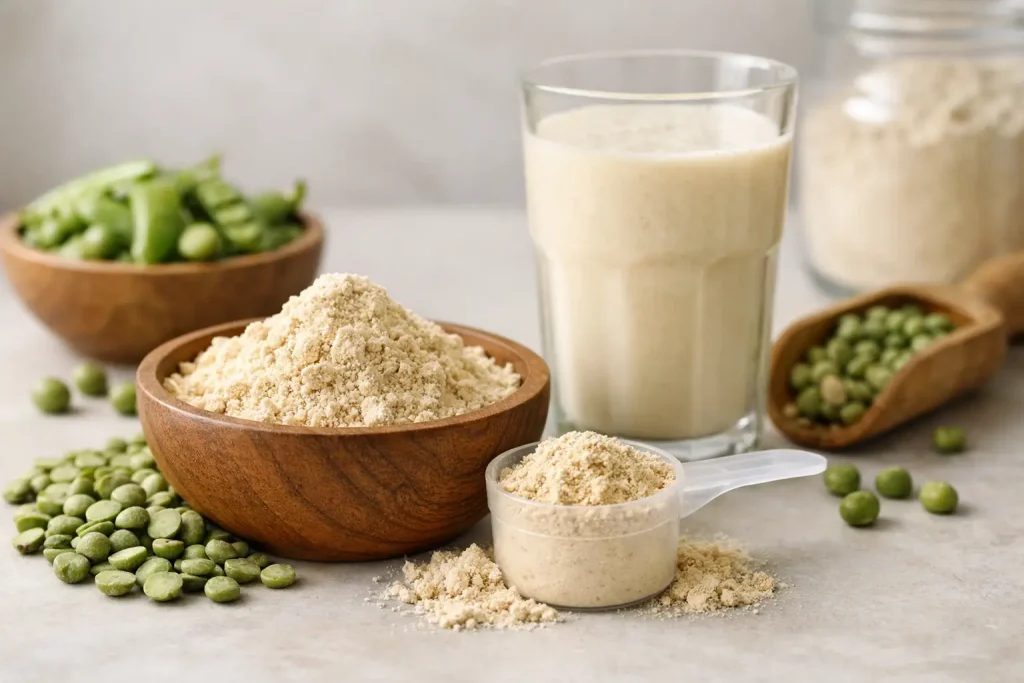
Pea protein powder is usually made from yellow peas and processed to concentrate its protein content while keeping carbohydrates and fat relatively low. That matters because many people want protein support without turning every shake into a full meal replacement. A well-made pea protein powder can deliver solid protein intake in a low-calorie format, which is one reason it appeals to people managing weight, supporting muscle maintenance, or filling nutritional gaps during busy days.
What sets pea protein apart is its balance of practicality and tolerance. It is naturally dairy-free, making it useful for people who do not want whey or cannot tolerate milk-based proteins well. It also fits plant-based eating patterns and works for consumers looking for non-GM, more naturally positioned products.
Still, not every pea protein powder performs the same way. Some taste earthy and chalky. Others are blended well enough to feel smooth in water, smoothies, or oats. A good review should not stop at grams of protein on the label. It should also consider digestibility, ingredient quality, taste, texture, and whether the formula supports a broader wellness goal.
Nutrition quality matters more than marketing
Most consumers first look at protein grams per serving, and that is reasonable. But a useful pea protein powder review goes further. You want to know whether the product provides enough protein to meaningfully support your routine and whether the formula includes unnecessary fillers, excess sugar, or ingredients that make daily use less appealing.
Pea protein is considered a strong plant protein source because it contains all nine essential amino acids, although it is lower in methionine than some other proteins. In practical terms, that is rarely a deal-breaker for people who eat a varied diet. If your meals include grains, seeds, legumes, or other protein sources across the day, amino acid balance is usually manageable.
This is where blended plant proteins can sometimes offer an advantage. A formula that combines pea with soy, pumpkin seed, or wheat protein may create a more rounded amino acid profile while also changing the texture and taste. For everyday wellness users, this can be more helpful than chasing a single-ingredient product just because it sounds cleaner on paper.
Low sugar content, reasonable calories, and transparent ingredient sourcing also matter. If a protein powder is going to become part of your daily habit, it should support consistency rather than create another nutrition compromise.
Taste and texture are the real test
This is where many protein products win or lose. On a nutrition panel, pea protein often looks strong. In a shaker bottle, the experience can be different.
Plain pea protein can carry a mild earthy note. Some people do not mind it, especially in blended smoothies with banana, cocoa, cinnamon, or nut butter. Others notice the legume-like aftertaste immediately. Flavoring makes a major difference, but so does formulation quality. Better products reduce grittiness and improve mixability without relying on excessive sweeteners.
Texture is especially important for people who plan to drink protein daily, not just after workouts. A powder that feels smooth in water or plant milk is far more likely to become part of a sustainable routine. If you mainly mix protein into recipes, oats, pancakes, or yogurt alternatives, a slightly thicker texture may actually work in your favor.
This is one of the biggest trade-offs in any pea protein powder review. A very natural formula with minimal additives may appeal to ingredient-conscious shoppers, but it can sometimes taste rougher. A more polished formula may drink better, yet include stabilizers or flavor systems some buyers prefer to avoid. The best choice depends on what you will realistically use.
Digestibility and daily comfort
For many adults, digestibility is the reason to consider pea protein in the first place. Whey protein works well for some people, but others experience bloating, heaviness, or digestive discomfort. Pea protein is often seen as gentler, especially for those reducing dairy or following a plant-based lifestyle.
That said, digestibility is not identical for everyone. Some people do very well with pea protein isolate, while others prefer blended plant formulas that include complementary ingredients and a smoother nutritional profile. Sweeteners, gums, and added fibers can also influence how a product feels after drinking it. Sometimes the issue is not the pea protein itself, but everything added around it.
If you have a sensitive stomach, simpler labels are often easier to evaluate. Start with smaller servings and see how the powder works in water versus heavier smoothie combinations. Daily comfort matters more than theoretical benefits.
Who benefits most from pea protein?
A pea protein powder review makes the most sense when matched to lifestyle, not trends. This type of protein is especially useful for adults who need convenient nutrition support but do not want a complicated supplement routine.
Working professionals often use protein powder to avoid skipping meals or relying on low-quality snacks. Parents may use it to add easy nutrition between responsibilities. People watching calorie intake often appreciate the way pea protein supports fullness without feeling too rich. It is also helpful for those who want plant-based protein but still care about maintaining muscle, energy, and day-to-day nutritional consistency.
For active individuals, pea protein can support recovery and muscle maintenance, especially when total daily protein intake is adequate. For general wellness consumers, it can function as a practical bridge between meals, a smoothie base, or part of a more intentional morning routine.
What to look for in a better formula
A strong product should do more than provide basic protein. It should fit the health priorities that matter to real consumers.
That might mean organic or non-GM sourcing, low-calorie nutrition, or clear safety standards such as GMP, HACCP, Halal, and other recognized quality assurances. For many shoppers, trust is not a bonus. It is part of the buying decision.
It can also mean choosing a formula with added functional ingredients that serve a specific purpose. Some plant-based protein blends now include ingredients aimed at skin support, joint support, eye health, weight management, or general vitality. This approach makes sense for consumers who prefer one simple daily product over several separate supplements.
That is where brands like Nuewee have carved out a meaningful space. Instead of treating protein as a stand-alone fitness product, they position plant-based powders as part of a broader wellness routine, with targeted blends that connect protein intake to everyday health goals.
Pea protein powder review: when it is worth buying
Pea protein powder is worth buying when you need convenient, plant-based protein that you can actually use consistently. It is especially appealing if you want a dairy-free option, prefer lower-calorie supplementation, or are looking for a simple nutrition tool that supports fullness, muscle maintenance, and daily nutrient intake.
It may be less appealing if you strongly dislike earthy flavors or expect every protein powder to taste like a dessert drink. In that case, flavor system and formulation quality become non-negotiable. It also may not be the only answer if you need highly specialized sports nutrition or are trying to maximize amino acid intake from a single serving alone.
For most health-conscious adults, though, the question is not whether pea protein is perfect. It is whether it is useful, tolerable, and aligned with your routine. In many cases, the answer is yes.
The best protein powder is the one you trust, enjoy enough to keep using, and can match to your actual health goals. If pea protein gives you that balance, it has already done more than most supplements ever do.