



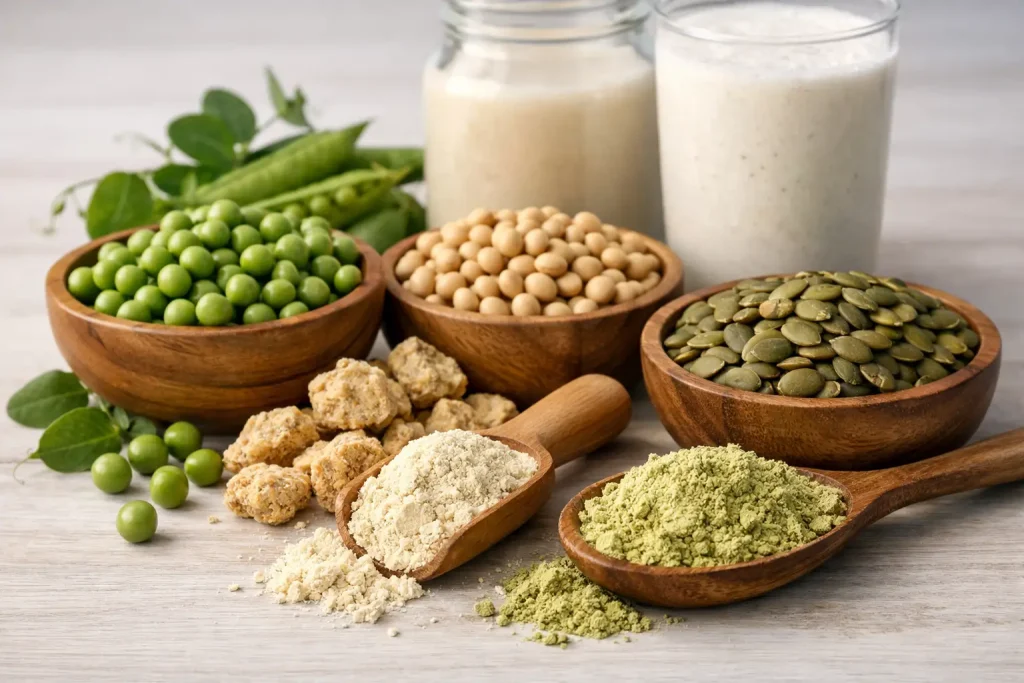
A lot of adults are not actually struggling with a lack of effort – they are struggling with a lack of convenient nutrition that fits real life. That is where pea soy pumpkin seed protein benefits stand out. Instead of relying on one protein source with a few limitations, this kind of plant blend can offer broader nutritional support, better day-to-day usability, and a more balanced way to help meet protein needs.
For busy professionals, parents, and wellness-focused consumers, protein is not only about muscle. It also plays a role in satiety, healthy aging, recovery, and maintaining lean body mass during weight management. A well-designed plant protein blend can make those daily goals more practical, especially when it is easy to mix, low in calories, and suitable for people who prefer plant-based options.
Why pea soy pumpkin seed protein benefits matter
Single-source proteins can work well, but blends often make more nutritional sense. Pea protein is known for its strong protein content and good digestibility. Soy protein is one of the few plant proteins considered complete, meaning it contains all nine essential amino acids. Pumpkin seed protein adds extra plant nutrition and helps round out the profile with naturally occurring minerals and beneficial compounds.
When these proteins are combined, the result is often more useful than any one source on its own. The amino acid profile becomes more balanced, texture can improve, and the formula may feel more satisfying. For someone trying to support energy, weight control, or general wellness without adding a complicated routine, that matters.
This is also why blended plant protein is appealing beyond the gym. You do not need to be training hard to benefit from steady protein intake. If your breakfast is light, your lunch is rushed, or your appetite drops during stressful weeks, a plant protein blend can help fill nutritional gaps in a simple way.
The nutritional strengths of a three-protein blend
A major advantage of pea soy pumpkin seed protein benefits is amino acid diversity. Protein quality depends not just on total grams, but on the amino acids available for the body to use. Pea protein is typically rich in branched-chain amino acids, especially leucine, which supports muscle protein synthesis. Soy contributes a complete amino acid structure, while pumpkin seed can complement the blend with additional protein and micronutrients.
That does not mean every blend is automatically perfect. Formula quality still depends on sourcing, processing, and how much of each protein is actually included. But in general, combining these plant proteins can support a more complete nutritional profile than relying on one alone.
Another strength is satiety. Protein tends to help people feel fuller than simple carbohydrates, which can be useful for those trying to manage snacking or portion size. If a protein shake replaces a low-protein breakfast or helps prevent the late-afternoon crash, the benefit is practical, not theoretical.
There is also the issue of digestibility. Some people tolerate one plant protein better than another. A blend can sometimes create a smoother experience than a high amount of a single source. Still, tolerance varies. Soy may not suit everyone, and individuals with allergies or sensitivities need to check labels carefully.
Pea protein for daily strength and fullness
Pea protein is popular for good reason. It is plant-based, generally well tolerated, and useful for supporting muscle maintenance and recovery. For adults who are not getting enough protein from meals, pea protein can help strengthen the nutritional foundation of the day.
It is especially relevant during weight management. When calorie intake drops, protein becomes even more important because it helps preserve lean mass while supporting fullness. That can make it easier to stay consistent with healthy eating habits instead of feeling deprived.
Soy protein for complete amino acid support
Soy remains one of the most researched plant proteins available. Its reputation comes from quality protein content and its complete amino acid profile. For consumers looking for plant-based protein that can genuinely support daily nutrition, soy offers a dependable base.
There is sometimes confusion around soy, but for most healthy adults, moderate soy intake can fit well within a balanced diet. What matters most is the overall pattern of nutrition, the quality of the product, and whether the formula aligns with your personal needs and tolerances.
Pumpkin seed protein for added plant nutrition
Pumpkin seed protein does more than add variety. It contributes plant-based protein along with naturally occurring nutrients such as magnesium, zinc, and iron, depending on the formulation and processing. These nutrients support many everyday functions, from energy metabolism to immune health.
Pumpkin seed protein can also appeal to consumers who want more than plain protein grams. It adds a whole-food dimension that fits the broader wellness mindset – nutrition that supports the body in several ways, not just one.
Who can benefit most from this type of protein
Pea soy pumpkin seed protein benefits can be especially useful for adults who want convenient daily nutrition without relying on dairy-based shakes. If you skip meals, eat lightly in the morning, or want a more structured snack, a plant blend can help close the gap.
It also suits people with specific lifestyle preferences. Plant-based eaters, those reducing animal products, and consumers who want low-calorie protein options often need practical solutions that are easy to prepare and pleasant to drink. A blended formula can meet that need while supporting broader wellness goals.
For active adults, the benefit is straightforward – better protein intake supports recovery and muscle maintenance. For less active adults, the benefit is just as relevant. Adequate protein supports healthy aging, daily function, and better dietary balance, especially when appetite, time, or food choices are inconsistent.
Parents and working professionals often fall into this category. They may care about health, but not have time to plan high-protein meals every few hours. In that case, a quality plant protein powder is not a shortcut. It is a practical nutrition tool.
What to look for in a quality protein blend
Not every plant protein product delivers the same value. The ingredient list matters. Look for a formula with clearly named protein sources, sensible calorie levels, and a profile that fits your health goals rather than just offering protein in the most basic sense.
Quality assurance matters too. Products made with non-GM ingredients and produced under recognized standards such as GMP, HACCP, Halal, and relevant local approvals provide an added layer of trust. For health-conscious consumers, safety and consistency are part of the benefit.
Taste and texture should not be ignored. The best protein powder is often the one you will actually use consistently. If the formula mixes well and fits your daily routine, you are more likely to turn good intentions into daily habits. This is where wellness brands such as Nuewee aim to make plant-based supplementation more approachable by combining functional nutrition with practical everyday use.
How to use it for real-life results
The best time to take a plant protein blend depends on your routine. After exercise makes sense if recovery is your focus. In the morning, it can create a more balanced start to the day. Between meals, it can help manage hunger and support better food choices later on.
You can mix it simply with water for a lighter option, or with plant milk for a creamier texture. Some people add it to smoothies with fruit, oats, or greens. That said, more is not always better. If your smoothie becomes too calorie-dense, it may work against weight management goals. The right use depends on what you need most – convenience, fullness, recovery, or nutritional support.
It is also helpful to view protein powder as part of a broader routine, not a substitute for every whole food meal. Whole foods provide fiber, phytonutrients, and variety that powders cannot fully replace. A protein blend works best as support, not as the entire strategy.
A balanced way to think about pea soy pumpkin seed protein benefits
There is no single protein source that is ideal for everyone. Some people want a complete amino acid profile. Others care most about digestion, calorie control, or a plant-based lifestyle. A pea, soy, and pumpkin seed combination works well because it answers several of those needs at once.
That is the real value of this blend. It can support satiety, muscle maintenance, nutritional balance, and day-to-day convenience in one simple format. For many adults, that kind of consistency is what turns healthy intentions into something sustainable.
If your schedule is full and your nutrition feels uneven, a thoughtfully formulated plant protein blend can be one of the easiest ways to give your body steady support – without making wellness feel complicated.