



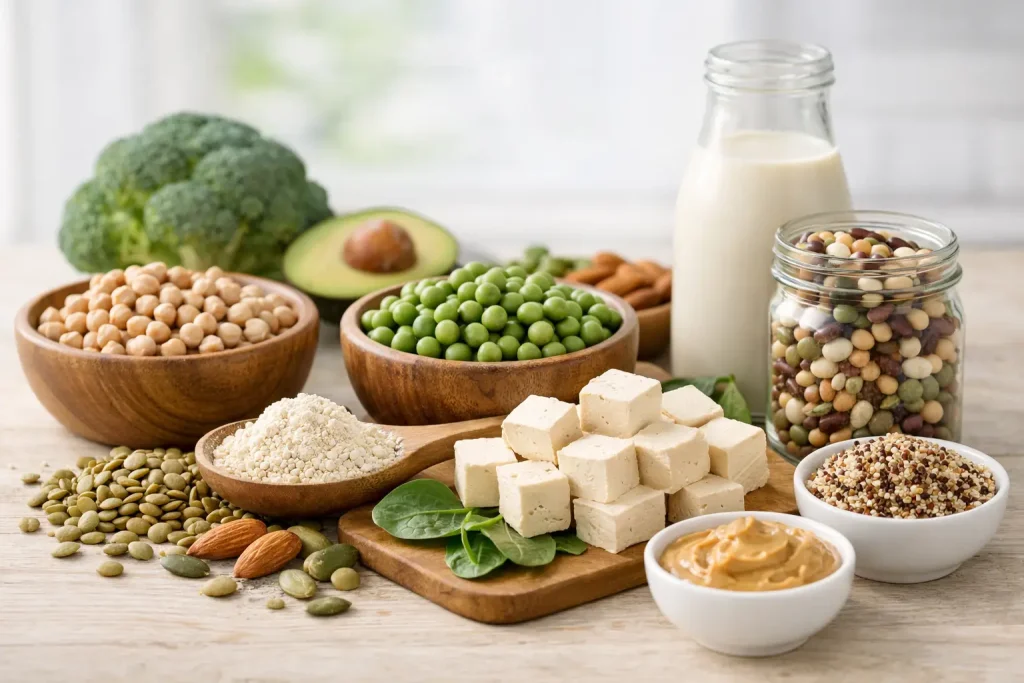
Breakfast is often coffee and a rushed bite. Lunch happens between meetings. By dinner, many people are trying to make up for what their body did not get all day. That is exactly where plant based protein for daily nutrition becomes practical – not as a fitness trend, but as a simple way to support energy, satiety, and consistent nutrient intake.
For many adults, protein is still treated like a gym-only nutrient. In reality, it plays a daily role in muscle maintenance, tissue repair, fullness, and healthy aging. If your routine is busy, your appetite is inconsistent, or your meals tend to be carb-heavy, adding a reliable protein source can help close nutritional gaps without making your day more complicated.
Why plant based protein for daily nutrition makes sense
Plant-based protein works well for people who want a lighter, easier option than many traditional protein sources. It can be especially useful for working professionals, parents, older adults, and anyone trying to manage calories while still eating enough to support their body.
The appeal is not only about avoiding animal products. Many people choose plant proteins because they fit more comfortably into everyday life. A well-formulated blend can be convenient, portion-controlled, and easier to digest than a heavy meal. It can also suit a wider range of dietary preferences, including those who are reducing dairy, limiting meat, or simply looking for a cleaner nutrition routine.
Another advantage is consistency. Whole foods should still be the foundation of a healthy diet, but not every day goes according to plan. A good protein powder can help bridge that gap when breakfast is skipped, lunch is delayed, or dinner lacks balance.
What daily protein actually supports
Protein does much more than support exercise recovery. Your body uses it every day to maintain lean mass, support normal body functions, and keep you feeling satisfied between meals. This matters even if you are not actively training.
As adults get busier or older, protein intake often becomes less evenly distributed. Some people eat very little in the morning, a moderate amount at lunch, and then a large dinner. That pattern is common, but it may not be the most supportive approach for stable energy and appetite control throughout the day.
A more balanced intake can help you feel steadier. That does not mean every meal must be perfectly measured. It simply means giving your body reliable support rather than leaving protein to chance.
Not all plant proteins work the same way
This is where quality matters. Plant proteins vary in texture, amino acid profile, digestibility, and taste. Some single-source proteins can feel gritty or have a strong aftertaste. Others may be low in one essential amino acid, which is why blended formulas are often preferred.
A combination of sources such as soy, pea, wheat, and pumpkin seed can create a more balanced nutritional profile and a smoother daily experience. Soy is valued for its strong protein quality. Pea protein is popular for its digestibility and satiety. Pumpkin seed adds nutritional variety, while wheat protein may contribute to texture and formulation balance, depending on the product.
That said, it depends on your personal needs. If you have allergies or intolerances, ingredient selection becomes more important. If taste is your main barrier, flavor and mixability may determine whether you use a product consistently. If your focus is wellness support beyond protein, then added functional ingredients may be worth considering.
How to use plant based protein for daily nutrition
The best use of protein powder is the one you can maintain. For some people, that means mixing it with water after a workout. For others, it is part of breakfast, an afternoon snack, or a lighter evening option when a full meal feels too heavy.
Morning is one of the most effective times to use it. A protein-based breakfast can help with fullness and reduce the cycle of grabbing quick, low-nutrient snacks later in the day. If mornings are rushed, a shake is often more realistic than preparing a high-protein meal from scratch.
It also fits well into the afternoon, especially when energy drops and cravings rise. A balanced protein drink can be a better bridge to dinner than sugary snacks that satisfy quickly but do not last. For people managing weight, this can make a meaningful difference over time.
There is also value in using protein as part of recovery after physical activity, but that does not have to mean intense training. Walking, resistance work, active jobs, and family routines all place demands on the body. Daily protein helps support normal recovery from those demands.
Beyond basic protein: the rise of functional blends
One of the biggest changes in wellness nutrition is that people are no longer looking for protein alone. They want convenience, but they also want formulas that support specific goals.
This is where functional plant-based blends stand out. Some formulations combine protein with ingredients chosen for skin support, joint comfort, eye health, metabolic support, or general vitality. That can be useful for adults who want more from a daily supplement without building a complicated routine around multiple products.
For example, ingredients such as turmeric, green tea, sea buckthorn, astaxanthin, sesamin, biotin, and specialty mushroom compounds are often included to align with targeted wellness needs. These combinations do not replace a healthy lifestyle, and they are not a shortcut around poor habits. But they can make daily nutrition more purposeful when used as part of a broader wellness plan.
For many consumers, that is the real value. Instead of treating protein as a separate category from beauty, joint care, or weight management, a functional blend brings those goals into one practical format.
What to look for in a daily protein product
When choosing a plant-based protein, the label should do more than sound healthy. Look for a clear protein source, sensible calorie levels, and ingredient quality you can trust. If a product includes added functional ingredients, those should make sense for your goals rather than being there for marketing appeal.
Safety and quality assurance also matter. Products made with non-GM ingredients and supported by recognized standards such as GMP, HACCP, Halal certification, and local regulatory approval can give consumers more confidence in what they are using every day. That kind of trust is especially important for supplements that become part of a long-term routine.
Taste should not be overlooked either. Even the most carefully designed formula will not help if it sits untouched in the pantry. A pleasant flavor and smooth texture often make the difference between occasional use and daily consistency.
When whole foods are enough, and when they are not
It is fair to ask whether a person really needs protein powder at all. In some cases, no. If your meals already include enough high-quality protein, your energy is stable, and your schedule allows regular, balanced eating, then whole foods may be fully meeting your needs.
But that is not the reality for many adults. Some people skip meals. Some are reducing meat or dairy and are not sure how to replace that protein effectively. Others are managing appetite, weight, or digestive comfort and find that large meals do not work well for them.
In those situations, a convenient supplement can be helpful, not because it is better than food, but because it is easier to use consistently. That practical advantage matters more than many people realize.
A well-designed product from a trusted wellness brand like Nuewee can fit into everyday life without adding stress. It supports a simple idea: daily nutrition should be realistic, not perfect.
A smarter way to make daily nutrition more consistent
Good health habits usually do not fail because people do not care. They fail because the routine is too hard to maintain. Plant based protein for daily nutrition works best when it removes friction from your day. It gives you a dependable option when meals are rushed, choices are limited, or your body needs more support than your schedule allows.
If you want better nutrition, you do not always need a complete lifestyle overhaul. Sometimes you need one reliable step you can repeat tomorrow morning, next week, and next month. That is where daily protein becomes less of a trend and more of a practical health habit.