



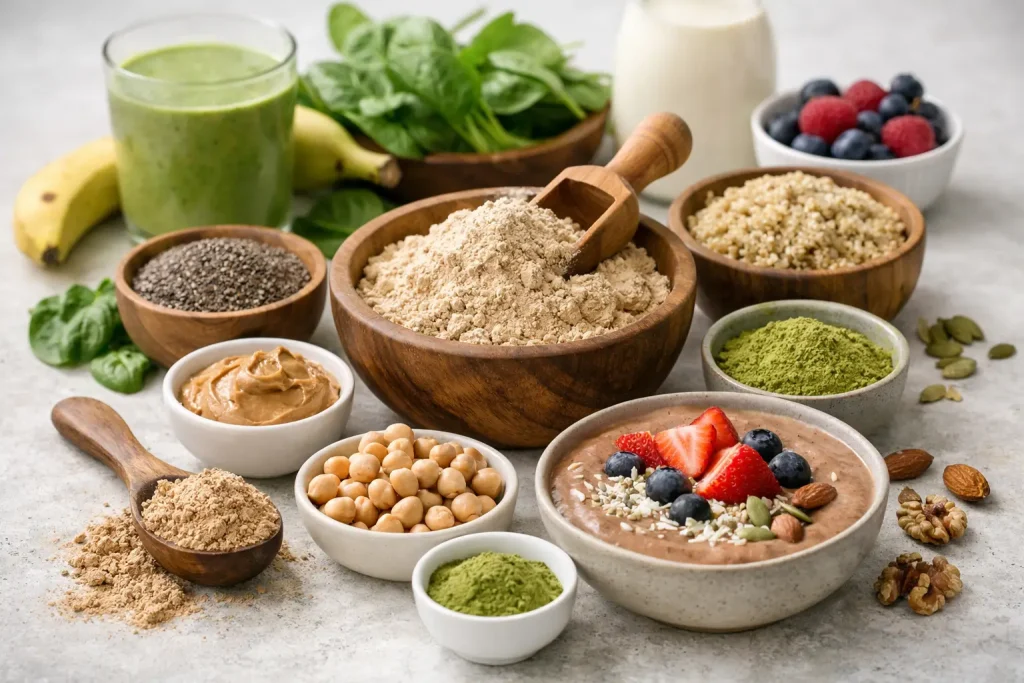
Busy mornings rarely leave time for a balanced breakfast, and that is exactly where organic plant based protein powder recipes can make a real difference. A good recipe does more than add protein. It helps fill nutrition gaps, supports satiety, and turns a simple shake or snack into something that fits your health goals without adding unnecessary complexity.
For many adults, convenience matters just as much as nutrition. The challenge is finding recipes that feel easy enough for weekdays, light enough for daily use, and flexible enough to support different needs such as weight management, energy, skin support, or general wellness. Plant-based protein powders work well here because they blend quickly, store easily, and pair with ingredients you likely already keep at home.
The best recipes are not always the most elaborate. In fact, the most useful ones are usually built around a simple structure: protein, fiber, healthy fats, and natural flavor. That balance can help keep blood sugar steadier, improve fullness, and make the recipe feel satisfying instead of just functional.
What makes organic plant based protein powder recipes worth using?
A quality plant-based protein powder offers more than a protein count on the label. Depending on the blend, it may provide complementary ingredients that support daily wellness in more targeted ways. That can include ingredients chosen for skin, joints, eye health, metabolism, or antioxidant support. For adults who do not want a long supplement routine, this kind of all-in-one approach is practical.
There are also digestion and lifestyle considerations. Some people prefer plant proteins because they fit vegetarian or dairy-free eating patterns. Others simply find them easier to incorporate into daily meals. Still, texture and taste can vary. Pea protein can be earthy, soy can be creamier, and blended plant proteins often give a more balanced mouthfeel. That is why pairing matters. Banana, cocoa, cinnamon, berries, oats, and nut butters can soften sharper flavors and create a smoother finish.
How to build better recipes with plant protein
Before getting into specific ideas, it helps to understand why one recipe feels energizing while another tastes chalky or leaves you hungry an hour later. Liquid is the first variable. Water keeps calories lower, while unsweetened almond milk or oat milk gives a creamier texture. Frozen fruit improves thickness and can reduce the need for sweeteners.
The second variable is what you add around the protein. If you want a lighter snack, fruit and protein may be enough. If you want a meal replacement, it is smarter to include fiber from oats or chia and some healthy fat from nuts, seeds, or avocado. This helps the recipe digest more slowly and feel more complete.
A final point is sweetness. It depends on your powder. Some flavored blends already have a pleasant taste profile, so adding honey, dates, or maple syrup may not be necessary. Start small and adjust after blending.
8 organic plant based protein powder recipes for everyday use
1. Creamy banana oat breakfast shake
Blend one scoop of plant-based protein powder with 1 banana, 1/3 cup rolled oats, 1 cup unsweetened almond milk, 1 teaspoon chia seeds, and a pinch of cinnamon. This is one of the most reliable breakfast options because it combines protein, fiber, and slow-digesting carbs in one glass.
If you are rushing out the door, this recipe works well because it is filling without being heavy. For a colder, thicker result, use frozen banana. If your wellness goal is appetite control, the oats and chia make a noticeable difference.
2. Berry antioxidant smoothie
Blend one scoop of vanilla or plain plant protein with 1 cup mixed berries, 3/4 cup cold water, 1/2 cup unsweetened yogurt alternative, and 1 tablespoon ground flaxseed. Berries bring natural sweetness and a bright flavor that masks earthy protein notes well.
This recipe is especially useful for people who want something refreshing rather than creamy and dessert-like. If your protein blend includes functional ingredients for skin or eye support, berries pair naturally with that wellness positioning because they fit into a broader antioxidant-focused routine.
3. Green mango recovery smoothie
Blend one scoop of protein powder with 1/2 cup frozen mango, a handful of spinach, 1/4 avocado, 1 cup coconut water, and a squeeze of lime. The mango and lime keep the flavor clean and fresh, while avocado improves texture without making the drink too rich.
This is a good afternoon option if you want something energizing after work, a walk, or light exercise. Spinach adds nutrients, but keep the amount moderate. Too much can overpower the flavor and turn a good smoothie into one you force yourself to finish.
4. Protein overnight oats
Stir together 1/2 cup rolled oats, 1 scoop protein powder, 3/4 cup unsweetened plant milk, 1 tablespoon chia seeds, and 1 tablespoon chopped walnuts. Let it sit overnight in the refrigerator, then top with sliced apple or berries in the morning.
This recipe suits busy professionals and parents because it removes morning prep completely. It also travels well. If you prefer a softer texture, add a little more milk. If you like it thicker, reduce the liquid slightly.
Organic plant based protein powder recipes beyond smoothies
Smoothies are useful, but they are not the only way to make protein powder part of a daily routine. Some people simply prefer to chew their meals, and others want snack options that are portable and less perishable.
5. No-bake protein energy bites
Mix 1 cup rolled oats, 2 scoops plant protein powder, 1/2 cup natural peanut butter, 2 tablespoons honey, 2 tablespoons ground flaxseed, and a few dark chocolate chips if desired. Roll into small balls and chill until firm.
These are helpful when you need portion-controlled snacks that can sit in the fridge and be grabbed quickly. If the mixture feels too dry, add a teaspoon of plant milk at a time. If it feels too sticky, add more oats. Small adjustments matter with no-bake recipes.
6. Warm protein cocoa
Whisk one scoop of chocolate plant protein powder into 1 cup warm unsweetened almond milk with 1 teaspoon cocoa powder and a pinch of cinnamon. The key is warm, not boiling. Excess heat can affect texture and make the protein clump.
This option works well in the evening for adults who want a lighter alternative to dessert. It feels comforting, but it can still support protein intake and help reduce the urge to snack on less balanced foods later at night.
7. Vanilla chia protein pudding
Stir together 1 scoop vanilla protein powder, 1 cup unsweetened plant milk, 3 tablespoons chia seeds, and a little mashed banana for sweetness. Let it sit for at least 2 hours, then stir again before serving.
Chia pudding is a practical make-ahead recipe because it can serve as breakfast, snack, or even a simple dessert. Texture is the main trade-off. Some people love it, while others do not. If you are unsure, start with a smaller batch before making it part of your weekly meal prep.
8. Protein pancake batter
Whisk 1 mashed banana, 2 eggs or an egg alternative, 1 scoop plant protein powder, and 1/4 cup oats into a thick batter. Cook on a lightly greased pan over low to medium heat. Because protein powders can dry out pancakes quickly, lower heat works better than rushing the process.
These pancakes are useful for weekends when you want something more substantial without moving too far from your health goals. Topped with berries and a spoonful of yogurt alternative, they feel satisfying and balanced.
Choosing recipes that match your wellness goals
Not every recipe needs to do the same job. A breakfast shake can focus on satiety and steady energy, while an afternoon smoothie may be lighter and more hydrating. A protein pudding or warm cocoa can be helpful when you want a more controlled evening option.
This is also where formulation matters. If your protein blend includes ingredients chosen for specific benefits, the recipe should support how and when you plan to use it. A lighter fruit smoothie may suit a daytime formula, while a richer oat-based shake may be better when you need meal support. Brands such as Nuewee have leaned into this practical approach by pairing plant protein with targeted functional ingredients, which can make daily nutrition feel more purposeful instead of repetitive.
A few recipe mistakes to avoid
The most common mistake is overloading the blender. When protein powder, nut butter, oats, seeds, frozen fruit, and sweeteners all go in together, the result can be dense and overly heavy. More is not always better. Start with a clear purpose for the recipe, then build around it.
Another mistake is expecting every protein powder to behave the same way. Some absorb more liquid. Some taste sweeter. Some have a naturally thicker finish. You may need to test your preferred scoop-to-liquid ratio once or twice before the recipe feels right.
And finally, remember that consistency matters more than variety for its own sake. You do not need twenty recipes. You need a few dependable ones you will actually make.
A simple shake, pudding, or bowl of overnight oats can do a lot of work in a busy week when it is built with quality ingredients and used with intention. Start with the recipe that matches your routine best, adjust it to your taste, and let it become one healthy habit you can keep.