



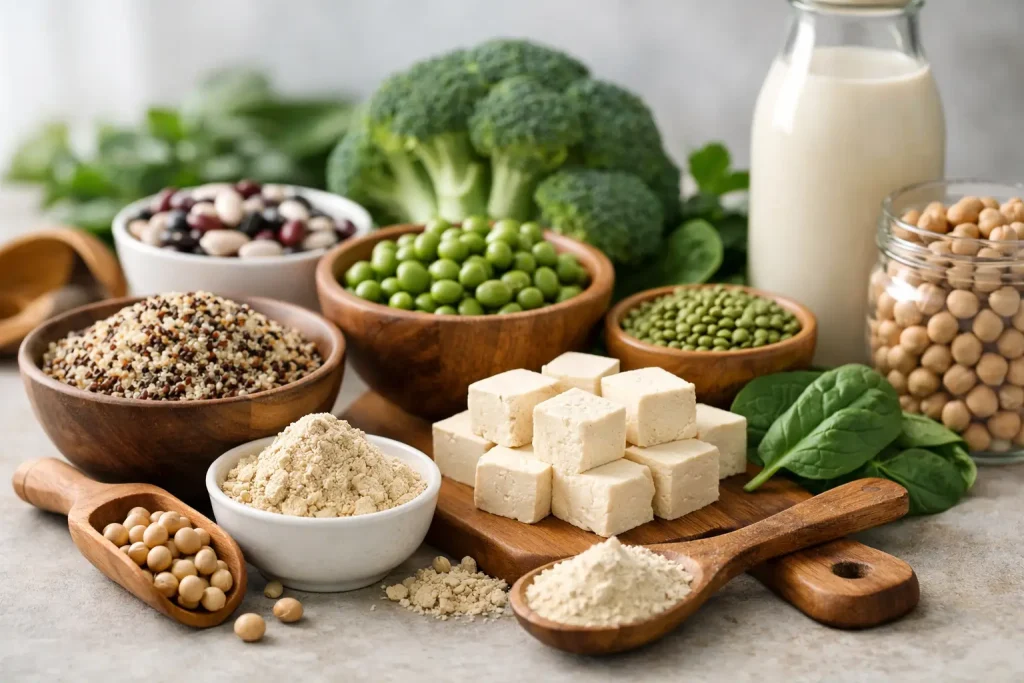
The question is plant protein complete comes up for a good reason. If you are trying to eat better, support energy, manage weight, or simply make your nutrition more consistent, protein quality matters just as much as protein quantity. And for many people, plant protein feels like the smarter everyday option – lighter, easier to fit into a routine, and more aligned with long-term wellness goals.
The short answer is yes, some plant proteins are complete. But not all of them are. A complete protein contains all nine essential amino acids your body cannot make on its own. Those amino acids are needed for muscle repair, hormone production, immune function, skin health, and many other daily processes that have nothing to do with bodybuilding.
That is where the confusion starts. People often hear that plant protein is “incomplete” and assume it is automatically lower quality. That is too simplistic. Some plant sources naturally provide all essential amino acids, while others are lower in one or two and work better when paired with complementary proteins across the day.
What it means when plant protein is complete
A complete protein gives your body all nine essential amino acids in adequate amounts. These include leucine, lysine, methionine, tryptophan, and others your body relies on for maintaining tissue, recovering from physical stress, and supporting normal metabolism.
Animal proteins are often used as the standard because they usually contain all nine in balanced amounts. Plant proteins vary more. Soy is a well-known complete plant protein. Quinoa and buckwheat are also considered complete, although they are not usually consumed in the same concentrated way as a protein powder or supplement.
Other popular plant proteins, such as pea, rice, wheat, and pumpkin seed, can still be excellent sources of protein, but they may be lower in certain amino acids. Pea protein, for example, is often lower in methionine. Rice protein tends to be lower in lysine. Wheat protein can be lower in lysine as well. That does not make them poor choices. It simply means amino acid balance matters.
Is plant protein complete enough for daily wellness?
For most healthy adults, the more useful question is not just is plant protein complete, but whether your overall daily intake is meeting your needs. If you eat a mix of protein sources over the course of the day, your body can draw from that amino acid pool effectively.
This is why strict “protein combining” at every meal is no longer seen as necessary for most people. You do not need to eat peas and rice together in the same bowl to get value from either one. What matters more is your total protein intake and the variety of amino acids you consume throughout the day.
That said, convenience matters in real life. Busy professionals, parents, and people who skip meals often benefit from a plant protein blend that has already been formulated for better amino acid coverage. In that setting, a blended protein powder can be more practical than relying on perfect food combinations at every meal.
Complete vs incomplete does not tell the whole story
Protein quality involves more than a yes-or-no label. There is also digestibility, leucine content, serving size, and how well a product fits your routine.
Leucine deserves special mention because it plays a central role in muscle protein synthesis. Some plant proteins contain less leucine than whey, which may mean you need a slightly larger serving to get the same muscle-supportive effect. That is not a flaw, but it is a useful detail if your goals include strength, exercise recovery, or healthy aging.
Digestibility also matters. Plant proteins can be paired with fibers and natural compounds that some people tolerate very well and others need time to adjust to. A high-quality formulation, careful processing, and clean ingredient sourcing all help improve the experience.
This is one reason many wellness-focused consumers choose plant protein not just for protein itself, but for the broader nutritional profile. Plant-based formulas can be lower in calories, easier to use daily, and aligned with preferences around non-GM ingredients and gentle digestion.
Which plant proteins are complete?
Soy protein is the most commonly recognized complete plant protein in supplement form. It provides all nine essential amino acids and has been studied extensively.
A few whole-food plant sources are also complete, including quinoa, buckwheat, hemp seed, and chia seed, though the amount and concentration of protein differ. In supplement products, you are more likely to see complete protein achieved through blending rather than relying on a single source.
For example, pea protein and rice protein are often combined because their amino acid profiles complement each other. One helps cover what the other lacks. The result is a more balanced protein source that performs better nutritionally than either one alone.
That is why a blended formula can be a smart option for everyday use. It offers a more complete amino acid profile while also allowing room for added wellness ingredients that support broader goals such as skin health, joint support, weight management, or recovery.
When incomplete plant proteins still work well
If your breakfast includes oats, your lunch has legumes, and your dinner includes grains, seeds, or soy foods, you are likely covering more ground than you think. Incomplete proteins are not a problem when your diet is varied.
This matters because people often focus too narrowly on a single ingredient instead of the full eating pattern. A scoop of pea protein in the morning and lentils later in the day can be part of a perfectly effective protein strategy.
It also depends on your goal. Someone trying to maximize athletic recovery may want a more carefully balanced or higher-dose protein source. Someone focused on general nutrition, satiety, or replacing a missed meal may simply need a reliable daily protein boost with good overall quality.
How to choose a better plant protein
If you are comparing products, look beyond the front label. Start with the protein source. Is it soy alone, or is it a blend such as pea with wheat or pumpkin seed? A blend often gives a better amino acid balance.
Next, check the protein amount per serving. Many adults benefit from at least 15 to 25 grams in a serving, depending on their size, activity level, and how they use the product. If a powder only gives a small amount of protein, it may function more like a wellness drink than a meaningful protein supplement.
Then consider what else is included. Some formulas are designed for more than muscle support. They may combine plant protein with functional ingredients for skin, joints, energy, or antioxidant support. That can be helpful if the added ingredients are relevant to your health goals and the product is made with clear quality standards.
This is where trusted manufacturing matters. Safety certifications, quality assurance systems, and transparent sourcing are especially important in supplements because consistency is part of efficacy. A well-formulated plant protein should not just look good on paper. It should fit comfortably into your daily life and support the reason you bought it in the first place.
Is plant protein complete in powders and blends?
Often, yes. Many modern plant protein powders are designed specifically to solve the amino acid gap question. Instead of depending on one source, they use complementary proteins to create a more complete nutritional profile.
That means the label may matter more than the category. “Plant protein” by itself tells you very little. A single-source formula may still be useful, but a thoughtfully blended product can be a stronger choice for people who want convenient daily nutrition without overthinking every meal.
For a wellness brand like Nuewee, that approach makes practical sense. Plant proteins such as soy, pea, wheat, and pumpkin seed can be combined with targeted ingredients to support more than one need at a time, helping consumers address protein intake while also pursuing specific wellness goals.
The better question to ask
Instead of asking whether all plant protein is complete, ask whether your protein choice is complete for your lifestyle. Does it provide enough protein per serving? Does it offer a balanced amino acid profile? Can you take it consistently? Does it support your broader health goals without adding unnecessary complexity?
Those questions usually lead to better decisions than the complete-versus-incomplete label alone. Plant protein can absolutely support strength, satiety, healthy aging, and everyday nutrition. The key is choosing the right source, or blend, for how you actually live.
If your goal is a practical routine you can keep, the best protein is the one that fits your day, meets your needs, and helps good nutrition feel simple enough to repeat tomorrow.