



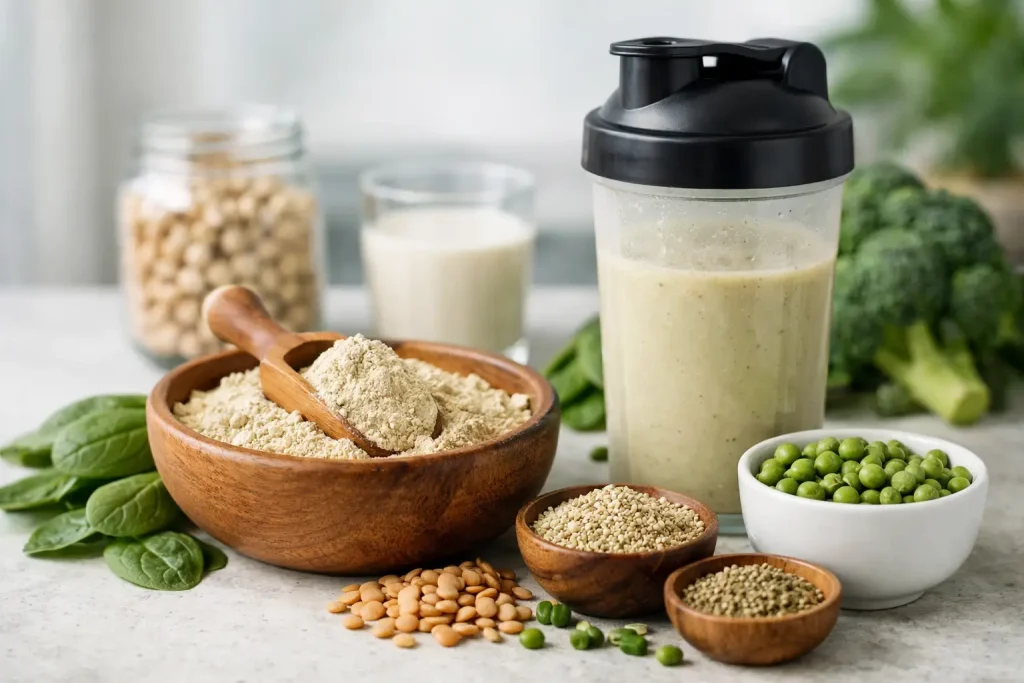
You can drink a protein shake every morning and still feel hungry by 10 a.m. That usually means the formula is working against your goal, not for it. If you are searching for the best plant protein powder for weight management, the real question is not just how much protein is inside. It is whether that protein helps you stay satisfied, manage calories, and fit a routine you can actually maintain.
Weight management is rarely about one dramatic change. For most adults, it comes down to a series of repeatable choices – a breakfast that prevents overeating later, a snack that supports energy instead of a sugar crash, and nutrition that feels convenient enough for busy weekdays. A well-designed plant protein powder can support that pattern, but not every blend does the job equally well.
What makes the best plant protein powder for weight management?
The best option for weight management usually has a simple advantage: it helps you get enough protein without adding unnecessary calories, sugar, or fillers. Protein supports fullness more effectively than many refined carbohydrate foods, which is one reason high-protein meal patterns are often easier to stick with over time.
Plant protein can be especially useful for people who want a lighter daily supplement, prefer dairy-free nutrition, or find whey difficult to digest. But there is an important trade-off. Some plant proteins are more complete than others, and some formulas rely heavily on flavoring systems that raise calorie counts fast. That is why the label matters more than the front-of-pack promises.
A strong weight-management protein powder should give you meaningful protein per serving, keep calories controlled, and ideally include ingredients that make the shake more satisfying. Fiber can help. So can a balanced texture that feels like a snack or light meal rather than flavored water. If the powder tastes chalky or leaves you hungry, consistency becomes difficult.
Protein quality matters more than marketing
Plant-based does not automatically mean ideal for weight control. The source of the protein affects amino acid balance, digestibility, and how satisfying the final blend feels. Pea protein is popular because it offers solid protein content and a relatively smooth texture. Soy protein is another strong choice because it is a complete protein and works well in meal-replacement style formulas. Pumpkin seed protein can add nutritional value, while wheat protein may improve amino acid diversity when used in a blend.
Blended plant proteins are often the most practical choice. Instead of relying on one source, they combine complementary proteins to create a more balanced amino acid profile. For everyday users, that matters because the powder becomes more useful as a true nutritional support product, not just a gym supplement.
This is where many consumers get confused. A powder can look healthy because it is vegan, green, or low-fat, but if it delivers modest protein and mostly flavor additives, it may not support appetite control very well. For weight management, protein density is one of the clearest quality markers.
Calories, sugar, and satiety need to work together
A low-calorie shake sounds appealing, but very low calorie is not always better. If a serving is too light, you may end up compensating later with extra snacks. On the other hand, a powder packed with sugar, creamers, and sweeteners can turn a smart supplement into a dessert.
The best plant protein powder for weight management usually sits in the middle. It should be calorie-conscious, but substantial enough to support fullness. Look at the grams of protein relative to calories. A formula that gives strong protein with controlled calories tends to be more efficient for appetite management than one that is either underpowered or overly indulgent.
Sugar content deserves a close look too. Some powders use heavy sweetening to mask earthy plant flavors. That may improve taste in the short term, but it can also make the product less suitable for people actively managing body weight, blood sugar response, or total daily intake.
Ingredients that can support weight management naturally
Protein is the foundation, but supportive ingredients can make a formula more useful in real life. Green tea is one example that appears in some functional blends because it aligns well with active lifestyle and weight-conscious positioning. Fiber can also be valuable, especially for people who struggle with mid-morning hunger or late-night snacking.
Other additions should be evaluated carefully. Functional ingredients can offer broader wellness benefits, but they need to make sense within the formula. If a powder includes botanicals, antioxidants, or specialty compounds, ask whether they complement the goal of daily nutrition and weight management or simply make the label look more impressive.
For many adults, the most effective formula is not the one with the longest ingredient list. It is the one that combines clean plant protein, reasonable calories, good flavor, and targeted support without becoming overly complicated.
Who benefits most from a plant protein powder for weight control?
This kind of product is not only for athletes. It can be especially useful for working professionals who skip breakfast, parents who need a quick meal option, and adults trying to reduce processed snacking. It also fits people who want dairy-free protein or feel bloated after traditional whey products.
There are also practical lifestyle advantages. Plant protein powders are easy to keep at home or at the office, simple to blend into smoothies, and flexible enough to use after exercise or between meals. That convenience matters because consistency often shapes results more than perfection.
Still, it depends on how you use it. A protein shake can help replace a less balanced meal, but it cannot offset constant overeating elsewhere. It works best as part of a structured eating routine with enough sleep, hydration, and movement.
How to choose the best plant protein powder for weight management for your routine
Start with the nutrition panel, not the branding. Check the protein per serving, total calories, sugar, and serving size. A good formula should make sense on paper before it earns a place in your kitchen.
Next, look at the protein sources. Blends that use soy, pea, wheat, or pumpkin seed can offer a more rounded nutritional profile than a single-source product. If digestibility is a concern, pay attention to how your body responds. The best formula is one you can use daily without discomfort.
Then consider whether the powder fits your actual routine. If you need a quick breakfast, flavor and mixability matter. If you want support between lunch and dinner, satiety matters even more. If you are already eating enough protein from meals, a lighter supplemental option may be enough.
Quality assurance is another part of the decision. Health-conscious buyers increasingly want products made with non-GM ingredients and recognized manufacturing standards. Certifications and quality controls are not just marketing details. They provide reassurance that the product is produced with consistency, safety, and credibility in mind.
A brand like Nuewee speaks to this need by combining plant-based protein with functional wellness positioning, low-calorie nutrition, and quality-focused standards that matter to everyday consumers, not just sports users.
Common mistakes that make a protein powder less effective
One common mistake is treating protein powder like a shortcut instead of a tool. If you add it on top of an already high-calorie routine, it may not support weight goals the way you expect. Another mistake is choosing based only on flavor. Taste matters, but if the formula is mostly sweeteners and fillers, it may not keep you full.
Timing can also affect results. Many people do better using protein earlier in the day or during predictable hunger windows rather than waiting until cravings are strong. The point is not to follow rigid rules. It is to use the product where it solves a real nutrition gap.
Finally, avoid assuming that more protein is always better. Your needs depend on body size, eating habits, activity level, and overall diet quality. A sensible serving used consistently is often more useful than an aggressive intake plan that feels hard to maintain.
The better question to ask before you buy
Instead of asking which powder is the most popular, ask which one makes healthy eating easier for you tomorrow morning, next week, and next month. The best plant protein powder for weight management is the one that supports fullness, respects your calorie goals, fits your digestion, and feels realistic enough to become part of daily life.
That is usually where meaningful progress starts – not with a trend, but with a product you trust and a routine you can keep.