



A protein powder can look healthy on the label and still work against your goals. If you are trying to manage weight, support daily nutrition, or simply find a lighter option that fits a busy routine, choosing the right low calorie plant protein powder comes down to more than just the calorie number. The source of protein, added ingredients, sweetness level, and overall formulation all matter.
For many adults, protein powder is no longer just for athletes. It has become a practical nutrition tool for breakfast, post-workout recovery, afternoon hunger control, and filling common nutrient gaps. That is especially true for people who prefer plant-based options, have sensitive digestion, or want a convenient supplement that aligns with a more health-conscious lifestyle.
What makes a low calorie plant protein powder worth buying?
A genuinely useful product should help you increase protein intake without adding unnecessary sugar, fillers, or excess calories. That sounds simple, but not every formula gets the balance right. Some powders are low in calories because they are also low in protein. Others include long ingredient lists that create a better taste but reduce the product’s nutritional efficiency.
A better approach is to look at the full picture. Start with how much protein you get per serving compared with the calories. If a powder gives a meaningful amount of protein while staying relatively light, it is more likely to support satiety, muscle maintenance, and daily nutrition. This matters for weight management, but it also matters for adults who skip meals, parents with inconsistent eating schedules, and professionals who need a reliable option between meetings.
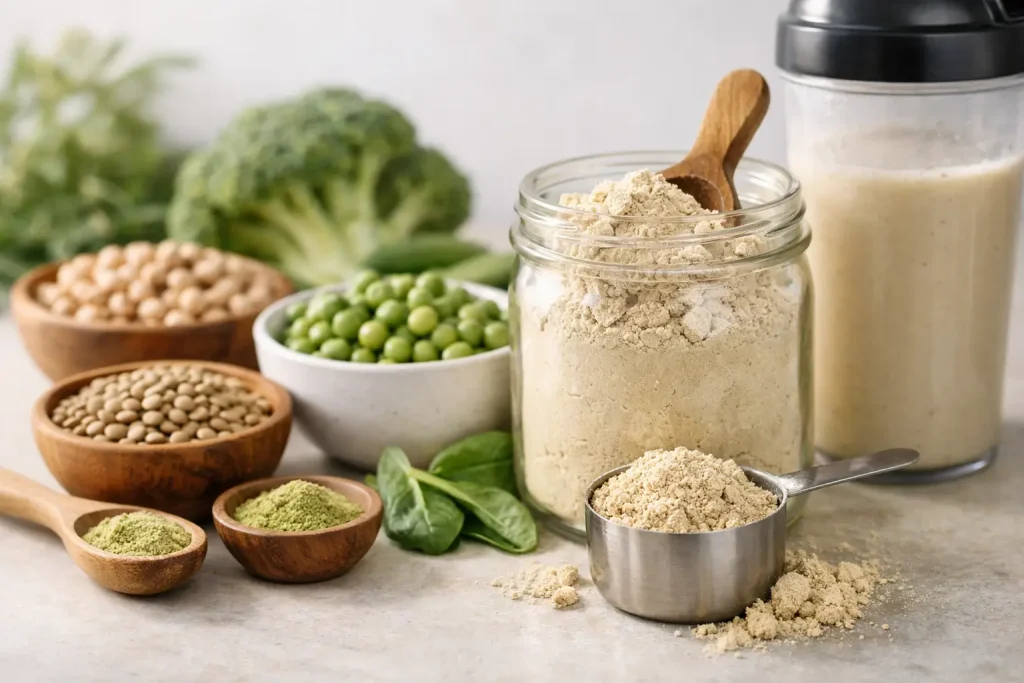
The protein source matters too. Plant-based blends often perform better than single-source formulas because they can provide a broader amino acid profile and a more balanced texture. Pea protein is popular for its protein content and satiety. Soy protein is a complete protein and often supports a smooth texture. Pumpkin seed protein can contribute additional nutrients, while wheat protein may be used in blends depending on dietary needs and tolerance. There is no one perfect source for everyone. The best option depends on your digestion, dietary preferences, and health goals.
Low calorie plant protein powder and daily wellness
Calories are only one part of the decision. If you are using protein powder regularly, it should support your wider wellness routine, not just your macros. That is where functional ingredients can become relevant.
Some formulations go beyond basic protein by including ingredients chosen for specific benefits such as skin support, joint comfort, eye health, metabolism, or antioxidant support. For example, turmeric may be included in formulas aimed at daily recovery and joint wellness. Green tea and sesamin may appeal to people focused on weight management. Astaxanthin and sea buckthorn are often associated with antioxidant and beauty-focused positioning, while biotin may be added for hair and skin support.
This does not mean every person needs a highly specialized formula. It means your protein powder can do more than one job if the ingredients are selected carefully and used in a way that makes nutritional sense. For consumers who want fewer products in the cabinet and more practical daily support, that added functionality can be a real advantage.
How to read the label without getting distracted
The front of the package usually highlights the most marketable claims. The real story is in the nutrition panel and ingredient list.
First, look at serving size. A calorie count is only useful if the serving size is realistic. If one scoop is tiny and provides very little protein, the low-calorie claim may not be telling you much. Next, check protein per serving. A powder with very low calories but only a small amount of protein may not keep you full or support your daily intake effectively.
Then check sugar and sweeteners. Some people want a naturally mild taste, while others prefer a more dessert-like flavor. Neither choice is wrong, but it helps to know what you are drinking every day. If your goal is weight control or steady energy, a formula with restrained sweetness and no heavy sugar load is often a better fit.
Finally, review the ingredient list for quality cues. Non-GM sourcing, clean plant protein sources, and recognized manufacturing standards can make a meaningful difference in trust and consistency. Safety and quality assurance matter even more when a supplement becomes part of your routine.
Why certifications matter more than many people realize
Protein powder is not just another grocery item. It is a concentrated nutrition product you may use daily, sometimes for months or years. That is why manufacturing quality deserves attention.
Certifications and approvals such as Halal, HACCP, GMP, and KKM help signal that the product has been produced with documented standards for safety, hygiene, and process control. They do not replace the need for a good formula, but they do add confidence. For many families and health-conscious adults, this is not a minor detail. It is part of responsible buying.
A credible wellness brand should make quality assurance feel visible and practical, not hidden behind vague claims. When consumers choose a product for weight management, recovery, or nutrition support, they should be able to trust both what is inside the scoop and how it was made.
When low calorie is helpful, and when it is not enough
A low calorie plant protein powder can be a smart choice if you are watching total intake, replacing a heavier snack, or trying to maintain protein intake without turning every shake into a full meal. It can also work well for people with smaller appetites, busy schedules, or a preference for lighter drinks.
Still, lower calorie is not automatically better in every situation. If you are using a shake as a meal replacement, recovering after intense exercise, or struggling to meet overall calorie needs, a very light formula may leave you underfueled. In those cases, you may need to build the shake into something more complete by adding fruit, oats, nut butter, or seeds, depending on your goals.
This is where context matters. The same product can be ideal for an afternoon snack and less ideal as a standalone breakfast. What works best depends on how you use it.
Taste, texture, and digestion are not minor details
People often buy based on nutrition facts and stop using the product because they dislike the experience. That is avoidable.
Taste should be pleasant enough to support consistency. A powder does not need to taste like a milkshake to be enjoyable, but it should feel easy to drink day after day. Texture also plays a role. Some plant proteins can be naturally earthy or thick, especially if they rely on a single source. A thoughtful blend usually helps improve drinkability.
Digestion matters just as much. Many consumers move toward plant-based protein because they want something gentler and easier to tolerate. That benefit depends on the specific formula. If you tend to experience bloating or heaviness, it may help to choose a blend with familiar ingredients and a clean profile rather than the most aggressively marketed option.
Who benefits most from a low calorie plant protein powder?
This type of product can support several different lifestyles. Working adults may use it to avoid skipping breakfast or reaching for less balanced snacks. Parents may want a fast and practical nutrition option between responsibilities. People following plant-based or reduced-dairy diets may appreciate a reliable source of daily protein. Others may simply want better portion control without giving up convenience.
It can also be a useful tool for adults who want more than standard protein. A formulation that combines plant protein with targeted wellness ingredients may fit particularly well for those focused on beauty support, joint health, eye wellness, or healthy aging. That broader benefit profile is one reason many consumers now look for functional powders instead of plain protein alone.
For people seeking a trusted option, brands like Nuewee have helped make plant-based supplementation feel more approachable by combining everyday nutrition with quality standards, recognizable certifications, and goal-specific formulations.
A smarter way to choose
The best low calorie plant protein powder is not the one with the smallest number on the label. It is the one that fits your actual routine, supports your health priorities, and feels easy to use consistently.
If your priority is weight management, look for a strong protein-to-calorie balance and moderate sweetness. If your focus is broader wellness, consider whether functional ingredients are relevant to your needs. If trust is your deciding factor, pay attention to quality sourcing and manufacturing certifications. And if you want something you will still enjoy in a month, do not ignore flavor and texture.
A good protein powder should make healthy choices easier, not more complicated. When the formula is thoughtfully built, low in calories, and aligned with your lifestyle, it becomes less of a supplement and more of a dependable part of your day.
The right choice is usually the one you can use consistently with confidence, because real wellness is built in small daily habits that actually last.