



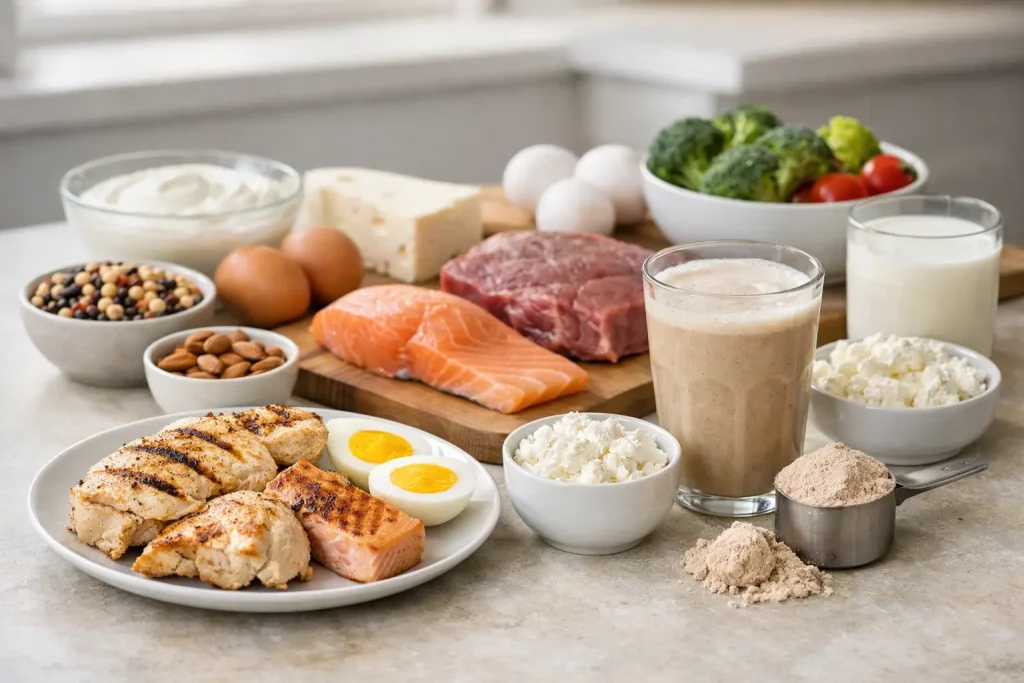
By 3 p.m., a lot of people have eaten enough calories but still have not had much protein. Breakfast was toast or cereal, lunch was quick and carb-heavy, and dinner ends up carrying the whole load. If you have been wondering how to increase daily protein without turning every meal into a fitness plan, the answer is usually simpler than people expect.
Protein is not only for athletes or bodybuilders. It supports muscle maintenance, helps you feel full longer, and plays a role in everyday functions like recovery, healthy aging, and meeting basic nutritional needs. For busy adults, parents, and anyone trying to eat better without overcomplicating it, increasing protein intake often comes down to better distribution, smarter food choices, and convenient options you can actually stick with.
Why daily protein often falls short
Many common meals are built around convenience first. A bagel at breakfast, rice or noodles at lunch, crackers for a snack, and a light dinner can leave you under target even if you eat regularly. This is especially common for people who are plant-based, eating smaller portions, managing weight, or simply rushing through the day.
Another issue is timing. Some people try to make up for low intake with one high-protein meal at night. That can help overall totals, but it is not always the most practical approach for energy, fullness, or consistency. Spreading protein across the day tends to feel easier and more sustainable.
How to increase daily protein without overeating
The best approach is to add protein where it is already easy to fit, rather than forcing a complete diet overhaul. Start by looking at your first meal. Breakfast is often the biggest missed opportunity.
If your morning meal is mostly carbohydrates, add a protein source that takes little effort. That could mean mixing protein powder into a smoothie, stirring it into overnight oats, blending it with a banana and milk alternative, or pairing breakfast with yogurt, eggs, tofu, or nut butter. A small upgrade in the morning can make the rest of the day easier.
Lunch matters just as much. Salads, wraps, and rice bowls can look healthy but still be low in protein if they are built mainly on vegetables and grains. A better balance might include chicken, fish, tofu, tempeh, edamame, beans, lentils, or a plant-based protein shake on the side. If lunch is usually rushed, convenience becomes part of the nutrition strategy, not a shortcut to avoid.
Snacks are another place to close the gap. Many snack foods are heavy on sugar or refined carbs and do not keep you satisfied for long. Replacing one snack with a higher-protein option can make a noticeable difference. Greek yogurt, roasted chickpeas, cottage cheese, boiled eggs, soy milk, or a protein drink are practical choices. The right snack depends on your preferences, your digestion, and whether you need something shelf-stable or freshly prepared.
Dinner is often the easiest meal to improve because people expect it to be more complete. The key is not just serving protein at dinner but serving enough. Sometimes the protein portion is smaller than people realize, especially in mixed dishes like pasta, stir-fries, or soups. If dinner is mostly starch with a little protein mixed in, consider adjusting the ratio.
Build around protein first
One of the most useful mindset shifts is to think about protein before the rest of the plate. Instead of asking what side dish or grain you want first, decide what your main protein source will be and build from there.
That does not mean every meal has to be high-protein in an extreme way. It means giving protein a clear place in the meal rather than hoping it shows up somewhere. For some people, that looks like eggs in the morning, tofu at lunch, salmon at dinner, and a shake between meals. For others, it may be a more plant-based routine with soy, pea protein, legumes, seeds, and fortified foods.
There is also a trade-off to keep in mind. Whole food protein sources bring other nutrients and can be very satisfying, but they are not always the most convenient. Protein powders and ready-to-mix options offer speed and portion control, which can be especially helpful for working adults and anyone trying to stay consistent while managing calories.
Plant-based ways to increase protein intake
If you prefer plant-based nutrition, learning how to increase daily protein may take a bit more planning, but it is absolutely possible. Beans, lentils, tofu, tempeh, edamame, soy milk, nuts, seeds, and whole grains all contribute. The challenge is that some plant foods provide moderate protein along with larger amounts of carbs or fats, so reaching your target can require larger portions.
This is where concentrated plant protein can be useful. A well-formulated protein powder can help fill the gap without adding too much volume to your meals. It can also support people who want low-calorie options, need easier digestion, or have a small appetite. Blends made from sources like soy, pea, wheat, and pumpkin seed can offer a more balanced amino acid profile than relying on one source alone.
For people with specific wellness goals, functional protein products may offer added value beyond basic intake. A product that combines plant protein with ingredients selected for skin, joint, eye, or weight management support can simplify a routine that might otherwise require several separate supplements. That convenience is one reason health-conscious consumers often prefer functional nutrition over a crowded cabinet of pills and powders.
Small changes that work in real life
The most effective changes are usually the least dramatic. Add protein to coffee-based smoothies instead of relying on pastries. Keep a simple shake option available for days when lunch gets delayed. Use higher-protein ingredients in meals you already enjoy, such as adding tofu to noodles, Greek yogurt to parfaits, or beans to soups and bowls.
It also helps to repeat a few reliable choices. Variety is useful, but too much decision-making can get in the way of consistency. If you know two breakfasts, two lunches, and two snacks that help you meet your goals, you are much more likely to follow through.
Meal prep can help, but it does not have to mean spending hours in the kitchen. Even stocking a few dependable items makes a difference. Keep protein-rich staples visible and easy to use. The simpler the option, the more likely it becomes part of your daily routine.
How much protein do you actually need?
This depends on your body size, age, activity level, and goals. Someone focused on general wellness has different needs than someone training intensely, recovering from illness, or trying to preserve muscle while losing weight. Older adults may also benefit from paying closer attention to protein intake because muscle maintenance becomes more important with age.
If you are unsure, a practical first step is to notice patterns rather than chase a perfect number immediately. Are most of your meals low in protein? Do you rely on one protein-heavy dinner to make up for the day? Do snacks leave you hungry soon after eating? Those signs usually suggest there is room to improve.
When supplements make sense
Supplements are not a replacement for balanced meals, but they can be a useful tool. They are especially helpful when your schedule is inconsistent, your appetite is low, or your food choices are limited by dietary preferences. For many people, a protein powder is not about extreme fitness. It is about making daily nutrition easier to achieve.
Quality matters. Look for products that align with your dietary needs and that come from brands focused on safety, ingredient standards, and clear formulation. If you want more than basic protein, a functional blend may fit better than a generic powder. Nuewee approaches protein this way by combining plant-based protein with targeted wellness ingredients designed to support broader health goals in a convenient daily format.
Make protein part of your routine, not a project
If you want to know how to increase daily protein and keep it realistic, focus less on perfection and more on repeatable habits. Put protein at breakfast, support lunch with a better source, choose one snack that actually satisfies you, and use convenient options when life gets busy. A steady routine will do more for your health than a short burst of motivation, and the best plan is the one you can follow even on your busiest days.