



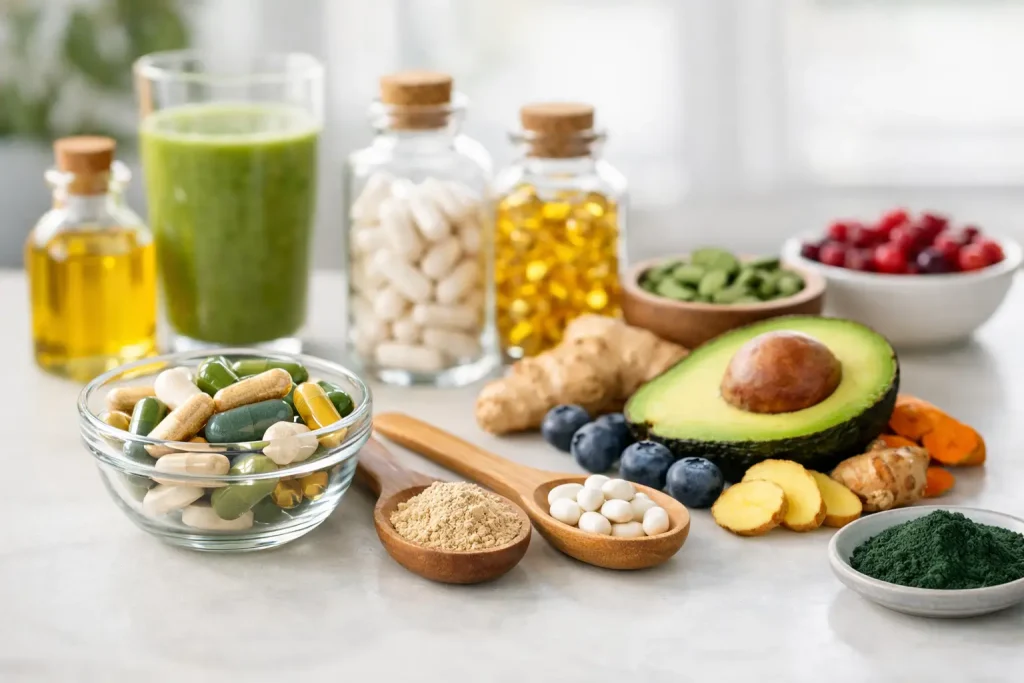
Breakfast is often where good intentions fall apart. A rushed coffee, maybe a pastry, and then a long stretch of work, errands, meetings, or parenting on an empty tank. That gap between what your body needs and what your routine allows is exactly where a guide to functional food supplements becomes useful – not as a shortcut for healthy living, but as a practical way to support it.
Functional food supplements sit somewhere between everyday nutrition and targeted wellness support. They are designed to do more than simply add calories or basic nutrients. A standard protein powder, for example, may help increase daily protein intake. A functional formula goes a step further by combining protein with ingredients chosen for a specific purpose, such as skin support, joint comfort, weight management, eye health, or general recovery.
That distinction matters because many people are no longer shopping only for “more protein.” They are looking for products that fit real life. A busy professional may want a low-calorie shake that supports satiety. A parent may want easy nutrition that does not require a full meal prep session. Someone following a plant-based diet may need a convenient way to help fill protein gaps while also supporting broader wellness goals.
What functional food supplements really are
Functional food supplements are food-based products formulated to provide nutritional value alongside an added health-focused benefit. They can come in powders, ready-to-mix drinks, bars, or other easy formats, but the idea is the same. You are getting familiar nutrition, often protein, fiber, vitamins, or healthy fats, paired with ingredients selected for a targeted role.
In practice, this could mean a plant-based protein blend combined with turmeric for active lifestyles, biotin and collagen peptides for beauty support, green tea for weight management, or sea buckthorn and antioxidant compounds for daily wellness. The product is still food-oriented, but its formula is more intentional than a standard meal replacement or basic supplement.
This category appeals to people who want a simpler routine. Instead of taking several separate products, they can use one supplement that supports both foundational nutrition and a specific concern. That convenience is part of the appeal, but it also means the quality of the formulation matters a great deal.
A guide to functional food supplements by goal
The easiest way to choose from this category is to start with your main goal. Not every formula needs to do everything. In fact, products that try to solve too many problems at once can become confusing or underdosed.
If your priority is daily nutrition, look for a formula built around a meaningful protein base with a reasonable calorie profile and clean ingredient sourcing. Plant proteins such as soy, pea, wheat, and pumpkin seed are commonly used to provide amino acids in a convenient, easy-to-mix format. Blends often perform better than a single protein source because they can offer a more balanced nutritional profile and a smoother texture.
If you are focused on beauty and skin support, ingredients like biotin, collagen peptides, antioxidants, and sea buckthorn may be more relevant. These products are often used by people who want beauty support to fit naturally into their daily food routine rather than adding another separate capsule.
If joint and mobility support matter most, look for formulas that pair protein with ingredients associated with active recovery or connective tissue support. For some people, this is about exercise recovery. For others, it is simply about staying comfortable and active through a busy workweek.
If weight management is your main concern, the right functional food supplement usually supports fullness, portion control, and nutritional consistency. Protein plays a major role here. A low-calorie protein blend can be helpful between meals or as part of a more balanced breakfast, especially when it helps reduce the urge to reach for less nutritious convenience foods.
If you are interested in broader wellness, eye support, or antioxidant support, specialty ingredients such as astaxanthin, tiger milk mushroom, turmeric, green tea, sesamin, and plant-based phytonutrients may become more important. The right choice depends on whether you want daily prevention-focused support or a formula built around a more specific wellness objective.
How to read a formula without getting overwhelmed
Many labels sound impressive. That does not always mean the product is a good fit.
Start with the protein source or primary nutritional base. This tells you what the product is really built on. A functional supplement should still have a solid foundation. If protein is the core claim, the formula should provide enough protein per serving to be meaningful in your day, not just a token amount surrounded by flavoring and marketing terms.
Next, look at the added functional ingredients. Ask whether they match your goal and whether they make sense together. A well-designed formula should feel focused. There is a difference between a thoughtful blend and a crowded label.
Then consider the practical details. Is it low in sugar? Does it fit your calorie target? Is it suitable for your dietary preferences? Can you realistically use it every day? A product can have excellent ingredients and still fail if the taste, texture, or routine fit is poor.
Safety and quality assurance are also worth close attention. Certifications such as GMP, HACCP, Halal, and local regulatory approvals help reinforce that a product is being manufactured with quality controls in place. For consumers who use supplements regularly, this is not a small detail. It is part of how trust is built.
Why plant-based functional blends are growing
Plant-based functional supplements are gaining attention because they solve more than one problem at once. They can support protein intake, fit a wider range of dietary preferences, and offer a lighter option for people who do not want heavy, overly sweet shakes.
This does not mean every plant-based product is automatically better. Taste, digestibility, amino acid composition, and formulation quality still vary. But when a plant-based blend is done well, it can be a very practical option for adults who want everyday nutrition with targeted benefits.
For many people, the biggest advantage is consistency. A supplement only helps if you are willing to use it often enough for it to become part of your routine. Good flavor options, easy preparation, and gentle digestion can make that much easier.
When functional food supplements make sense – and when they do not
Functional food supplements can be genuinely helpful when your meals are inconsistent, your schedule is packed, or your nutrition needs are higher than your routine comfortably supports. They are also useful when you want targeted support in a format that feels more like food than medicine.
They are less helpful if you expect them to replace balanced eating altogether. No powder can make up for a long-term pattern of poor sleep, minimal movement, and highly processed meals. They work best when they reinforce healthy habits rather than try to rescue unhealthy ones.
It also depends on your expectations. Some benefits, such as improved convenience, better protein intake, or more consistent meal structure, can be noticed fairly quickly. Other goals, especially those related to appearance or long-term wellness support, usually require steady use over time. Patience matters.
How to build a routine that actually lasts
The best supplement routine is usually the one that feels almost boring in its simplicity. Choose one product that matches your main goal, use it at the same time most days, and give it a fair trial before jumping to something else.
For some people, that means adding a protein-based functional shake to breakfast. For others, it means using it as an afternoon reset instead of reaching for snacks that leave them sluggish. If the formula aligns with your needs and your schedule, it becomes easier to stay consistent.
Brands like Nuewee have helped make this category more accessible by combining plant-based protein with targeted wellness ingredients in familiar daily formats. That kind of product design reflects what many consumers actually want – not a complicated regimen, but a smarter nutritional habit.
A good guide to functional food supplements does not tell you to buy the most advanced formula on the shelf. It helps you choose the one that supports your real life, your real goals, and the habits you can keep. When a supplement fits that well, it stops feeling like another wellness task and starts becoming part of how you take care of yourself.