



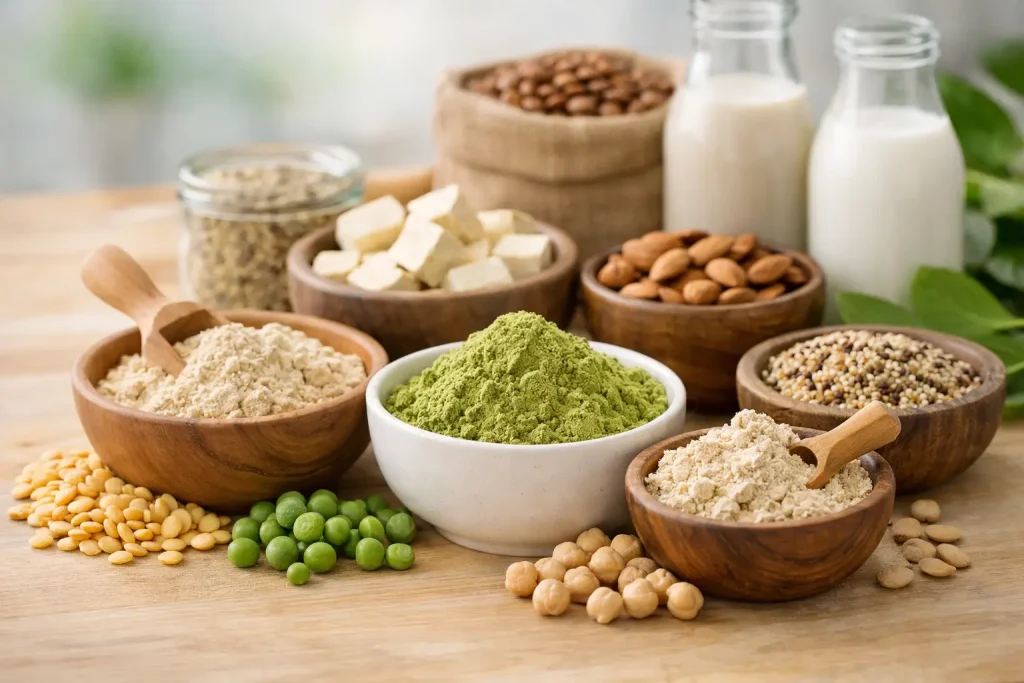
That mid-afternoon slump, the rushed breakfast, the dinner that ends up lighter on nutrition than planned – this is where a smart guide to plant protein blends becomes useful. For many adults, protein is not just about exercise recovery. It is about staying full longer, supporting healthy aging, filling daily nutrition gaps, and choosing something convenient that still aligns with a wellness-focused lifestyle.
Plant protein blends have become a practical option because they do more than provide a single source of protein. When formulated well, they combine complementary plant ingredients to improve amino acid balance, texture, taste, and everyday usability. They can also be paired with targeted nutrients that support goals such as weight management, skin health, joint comfort, or general wellness.
What a guide to plant protein blends should help you understand
A good blend is not simply several proteins mixed together. The value comes from how those proteins work as a team. Different plant proteins bring different strengths. Pea protein is popular for its strong protein content and satisfying texture. Soy protein is known for being a complete protein, meaning it contains all nine essential amino acids. Pumpkin seed protein contributes added plant nutrition and can support a broader nutrient profile. Wheat protein may improve texture and diversify the amino acid composition, though it is not suitable for those avoiding gluten.
Blending these sources can help create a more balanced nutritional profile than relying on one plant protein alone. This matters because single-source proteins sometimes fall short in one or more essential amino acids. A thoughtful blend can help close those gaps while also improving flavor and mixability, which are two reasons many people stop using protein powders consistently.
Consistency is often the real goal. The best protein routine is not the most extreme one. It is the one you can maintain comfortably every day.
Why plant protein blends appeal to everyday wellness
Many people assume protein powders are mainly for athletes. In reality, working professionals, parents, older adults, and people managing busy schedules may benefit just as much. Protein supports muscle maintenance, helps with satiety, and plays a role in many basic functions in the body. If your meals are irregular or light on protein, a blend can be a simple way to stay more nutritionally steady.
Plant-based blends also appeal to people who want lighter options. They are often chosen by those looking for low-calorie support, those limiting dairy, and those who prefer a more natural, plant-forward routine. For some, digestibility is a deciding factor. For others, it is sourcing, non-GM preferences, or the reassurance that comes with quality standards and safety certifications.
There is also a practical reason blends are growing in popularity. Modern consumers want more from a supplement. They do not just want protein grams on a label. They want a formula that fits a health goal and feels relevant to daily life.
Not all blends are built the same
This is where shopping gets more nuanced. Two products may both say plant protein blend, yet deliver very different experiences. One may focus on pure protein content. Another may be built around a broader functional purpose.
A basic blend usually aims to improve amino acid coverage and provide convenient protein support. A functional blend goes further by including additional ingredients chosen for specific benefits. Depending on the formula, these may include turmeric for wellness support, green tea for weight management positioning, biotin for hair and skin routines, sea buckthorn for skin-focused nutrition, or ingredients associated with joint, eye, or general vitality support.
That does not mean more ingredients always equal a better product. It depends on what you need. If your goal is simply to raise your daily protein intake, a clean and straightforward blend may be enough. If you want a protein powder to play a more active role in your wellness plan, a functional blend may make more sense.
How to choose the right plant protein blend
The best choice starts with your primary goal. If you are trying to stay full between meals or support weight control, look for a blend that offers satisfying protein without excessive sugar or calories. If you are using it to support active recovery or muscle maintenance, protein amount per serving and amino acid profile matter more. If your concern is broader wellness, consider blends paired with ingredients that match your priorities.
It also helps to review the source proteins carefully. Soy can be an excellent option for amino acid completeness, but not everyone wants soy in their diet. Pea protein is widely used and generally versatile. Pumpkin seed can add plant-based nutrition and a different texture. Wheat protein may be useful in some formulas, but it is not ideal for gluten-sensitive consumers.
Taste and texture deserve more attention than people think. If a powder is chalky, overly sweet, or difficult to mix, it usually ends up unused in the back of a cabinet. A good blend should feel easy to make part of your day, whether you use it in water, plant milk, smoothies, oats, or simple recipe ideas.
Finally, look at trust signals. Clear labeling, quality assurance practices, and recognized certifications can make a real difference, especially if you are using a product daily. Health-conscious shoppers often want reassurance that ingredients are responsibly selected, non-GM where stated, and manufactured with proper standards.
Functional ingredients can make a blend more relevant
One reason plant protein blends stand out in the wellness category is their flexibility. Protein is already useful on its own, but combining it with targeted ingredients can make supplementation feel more personalized.
For example, someone focused on beauty-from-within may prefer a blend that includes biotin, collagen peptides, or antioxidant-supporting ingredients. A person interested in mobility and active aging may look for joint-support positioning. Someone managing a hectic routine may prioritize a formula designed for everyday nutritional support with low-calorie convenience.
This product style fits modern wellness habits because it simplifies the routine. Instead of taking multiple separate products, some consumers prefer a single formula that combines basic protein with added support for a specific goal. Nuewee has built its product approach around this kind of practical, benefit-led formulation, which speaks directly to people who want nutrition that does more than one job.
When to use a plant protein blend
There is no single perfect time. It depends on how you eat and what you need support with. Many people use a blend at breakfast because mornings are often the easiest meal to underbuild. Others use it as a mid-morning or afternoon option to avoid energy dips and unnecessary snacking.
Post-workout use is common, but it is not the only relevant use case. A protein shake can also work as part of a light evening routine, a travel-friendly nutrition backup, or a quick addition to meals that need more staying power. If you regularly skip meals or rely on convenience foods, a blend may help improve nutritional consistency without requiring major lifestyle changes.
The key is to use it as support, not as a replacement for balanced eating across the board. Whole foods still matter. Protein powders work best when they make your routine more complete, not more restrictive.
Common concerns and realistic expectations
One common question is whether plant blends can truly match animal-based protein. The honest answer is that it depends on the formula and your goal. For general daily nutrition, satiety, and routine protein support, a well-designed plant blend can work very well. For highly specialized sports performance goals, some users may compare amino acid composition more closely. That is why blend quality matters.
Another concern is digestion. Some people find certain plant proteins easier to tolerate than others. This is personal, and there is no universal answer. If you know you do better with one source than another, use that as part of your decision.
It is also worth keeping expectations realistic around functional ingredients. They can add value, but they are not magic. Their benefits are best understood as part of a consistent wellness routine that includes balanced meals, sleep, hydration, and daily habits that support long-term health.
The best blend is the one that fits your life
A practical guide to plant protein blends should lead to one simple outcome: choosing something you will actually use. The right formula is not the one with the longest label or the boldest claims. It is the one that matches your dietary needs, supports your wellness priorities, and feels easy to include in a normal week.
If you want daily protein support with broader benefits, plant protein blends offer a flexible and approachable solution. Start with your goal, check the protein sources, review the added ingredients with care, and choose quality you can trust. When a formula fits your life instead of complicating it, healthy habits become much easier to keep.