



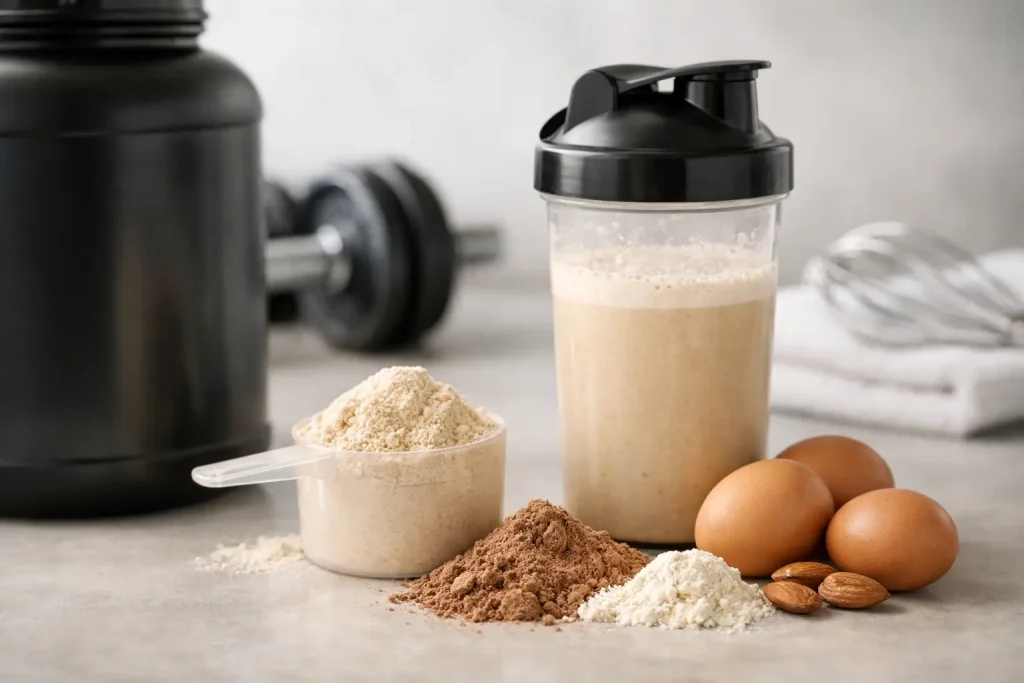
Starting protein powder for the first time usually goes one of two ways. You either buy the biggest tub with the loudest label, or you stand in front of dozens of options wondering why something so simple suddenly feels complicated. If you are looking for the best protein powder for beginners, the real answer is not the most expensive formula or the trendiest ingredient. It is the one that fits your body, your routine, and your health goals well enough that you will actually keep using it.
For many adults, protein powder is not about bodybuilding. It is about making breakfast more balanced, staying full longer, supporting healthy aging, or filling nutrition gaps on busy days. That is why beginners do better with a practical, health-focused approach instead of chasing sports nutrition marketing.
What makes the best protein powder for beginners?
The best starting point is simplicity. A beginner-friendly protein powder should be easy to digest, easy to mix, and easy to use every day. It should also offer clear nutrition without forcing you to sort through a long list of unnecessary extras.
Protein quality matters, but so does usability. A powder with a strong nutrient profile is not very helpful if the taste is unpleasant or if it leaves you bloated. For beginners, consistency matters more than perfection. A product that supports your daily routine is often a better choice than one that looks impressive on paper.
This is also where your broader wellness goals come in. Some people simply need more protein in their diet. Others want a powder that supports weight management, skin health, joint comfort, energy, or general nutrition. A good beginner product can do more than deliver grams of protein, especially if it combines protein with functional ingredients that serve a clear purpose.
Start with your goal, not the label
Protein powder is easier to choose when you know why you want it. If your main goal is satiety and balanced nutrition, a low-calorie powder with a clean ingredient profile may make the most sense. If you want support for active recovery or muscle maintenance, a higher-protein serving may be more useful. If you struggle to meet daily nutrition needs because of a busy schedule, convenience and digestibility should come first.
This is where many first-time buyers get stuck. They compare protein types before deciding what problem they are trying to solve. A working parent skipping lunch, a professional replacing a sugary breakfast, and someone returning to exercise after years away may all need protein powder, but not the exact same formula.
For beginners, it helps to choose a product that matches one primary need. Once you know how your body responds and how often you use it, you can decide whether you need something more specialized.
Whey vs plant-based protein for beginners
This is often the first big question, and there is no single right answer.
Whey protein is popular because it contains all essential amino acids and is known for strong muscle support. It can be a good option if you tolerate dairy well and want a straightforward sports nutrition style formula. The trade-off is that some beginners find whey heavy, especially if they are sensitive to lactose or prefer lighter digestion.
Plant-based protein is often a more comfortable starting point for adults who want a gentler, more lifestyle-friendly option. Blends made from pea, soy, wheat, or pumpkin seed can provide balanced amino acids while fitting vegetarian, dairy-free, or low-burden eating patterns. Plant-based formulas also tend to align well with people looking for daily wellness support rather than a gym-only supplement.
For many beginners, a well-formulated plant blend feels more approachable. It can be easier to work into smoothies, oats, or quick shakes, and it often supports a broader health routine. That is especially true when the formula includes targeted ingredients such as turmeric, green tea, collagen peptides, sea buckthorn, or antioxidant compounds designed to support specific wellness goals.
Ingredients beginners should actually look at
The front of the package will always sound impressive. The ingredient panel tells the real story.
First, check the protein source. A clear, recognizable base is a good sign. Whether it is whey or a plant blend, you want to know exactly where the protein is coming from.
Next, look at the protein amount per serving. Beginners do not need extreme numbers. A moderate amount that helps support meals and snacks is often enough. More is not automatically better if the formula becomes harder to digest or less enjoyable to use.
Then consider sugar, calories, and sweeteners. If your goal includes weight management or steady daily nutrition, a lower-calorie powder with reasonable sweetness is usually the better fit. Some products add a lot of fillers just to improve texture or taste. That can be fine in small amounts, but a cleaner formula is often easier for beginners who want predictable results.
Finally, look for quality signals. Products made with non-GM ingredients and supported by safety and manufacturing standards can offer greater peace of mind. Certifications and quality assurance matter because protein powder is not something you use once. It becomes part of your daily routine, so trust matters.
The best protein powder for beginners is often the easiest to digest
A lot of people give up on protein powder because the first product they try feels too heavy. That is why digestion should be one of your top filters.
If you often experience bloating, a plant-based formula may be the easier place to start. If you know dairy works well for you, whey can still be a good option. Either way, begin with one serving a day and pay attention to how you feel rather than assuming discomfort is normal.
Mixing style matters too. Some powders taste fine in milk but feel too thick in water. Others work best in smoothies or overnight oats. Beginners often have better success when they start with simple uses instead of trying complicated recipes. A protein powder should make your routine easier, not create another task to manage.
Functional protein can be a smarter beginner choice
Not every beginner wants protein for the same reason, and this is where functional blends stand out.
A standard protein powder gives you protein. A functional protein powder can support a broader wellness goal at the same time. That may mean ingredients for skin support, joint support, eye health, energy, or weight-conscious nutrition. For health-focused adults, this can be more practical than buying several separate supplements.
There is still a trade-off. A functional formula should not sacrifice protein quality just to add trendy ingredients. The best ones combine meaningful protein with targeted benefits that make sense for everyday use. When done well, this approach can help beginners stay consistent because the product feels relevant to their real life, not just to workout culture.
That is one reason brands like Nuewee resonate with wellness-minded consumers. The formula is not built around protein alone, but around practical health support that fits into daily routines.
How to choose your first tub without overthinking it
If you are buying your first protein powder, keep your checklist short. Choose a protein source you are likely to tolerate, a flavor you will genuinely want to drink, and a formula that supports your main goal. If you care about clean sourcing, non-GM ingredients, or recognized manufacturing standards, make that part of your decision early instead of treating it as an afterthought.
Flavor matters more than people expect. Vanilla, chocolate, and lightly sweetened neutral options are usually safer starting points than novelty flavors. The goal is long-term use, and familiar flavors are easier to pair with fruit, coffee, oatmeal, or simple shakes.
It also helps to be realistic about your schedule. If you know you need something quick between meetings or after school pickup, choose a powder that mixes fast and tastes good with minimal effort. The best choice is the one that removes friction from healthy eating.
How beginners should use protein powder
You do not need a complicated routine. One serving a day is enough for many beginners, especially if you are using it to balance breakfast, support recovery, or avoid long gaps without food.
Morning is often the easiest time to build the habit. A shake with fruit and a milk or milk alternative can create a more balanced breakfast than toast or coffee alone. Afternoon also works well if you tend to get hungry and reach for convenience snacks. After exercise is useful too, but it does not have to be your only window.
The bigger picture is your full diet. Protein powder is a supplement, not a replacement for varied meals. It works best when it helps close a gap in an already health-conscious routine.
A good first protein powder should make healthy choices feel simpler. If it fits your goals, feels good in your body, and earns a place in your everyday routine, you have already found the right place to start.