



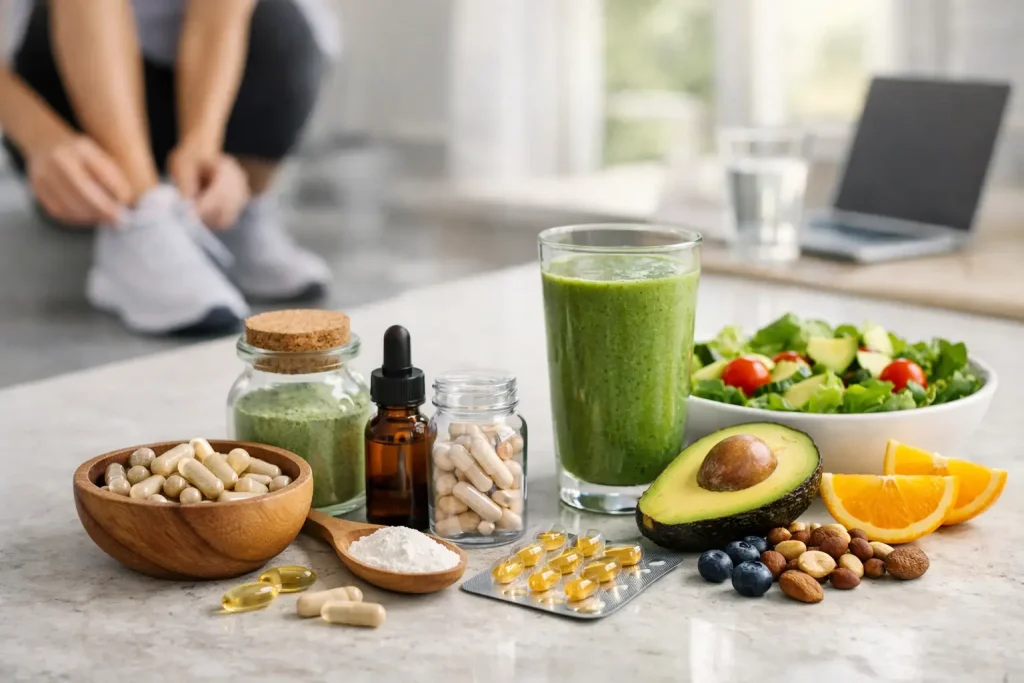
A plain protein shake can help you hit your macros. But if you also want support for skin, joints, energy, weight control, or everyday nutrient gaps, that is where functional food supplements start to make more sense.
For many adults, wellness is not about building a complicated routine with a shelf full of capsules. It is about finding practical nutrition that fits a real day – breakfast before work, a quick lunch, an afternoon slump, or recovery after exercise. Functional food supplements meet that need by combining familiar nutrition, such as protein, with targeted ingredients chosen for specific health goals.
What functional food supplements really are
Functional food supplements are products that do more than provide basic calories or macronutrients. They are designed to deliver nutritional value alongside added benefits that support particular areas of health. In practical terms, that often means a powder, drink, or food-based supplement that includes protein plus active ingredients like turmeric, green tea, collagen peptides, mushroom extracts, carotenoids, seeds, or plant compounds.
The key idea is simple. Instead of taking one product for protein and several separate supplements for other goals, you use a single daily formula built with multiple purposes in mind. That can be especially useful for busy adults who want consistency more than complexity.
This category has grown because people are asking better questions about what they consume. They are not just asking, “Does this have protein?” They are asking, “What kind of protein is it, how well does it fit my diet, what else does it support, and can I use it every day with confidence?”
Why functional food supplements appeal to modern wellness routines
Convenience matters, but convenience alone is not enough. People want products that feel relevant to the way they actually live. A parent trying to manage meals, a working professional skipping breakfast, or someone moving toward a more plant-based lifestyle often needs support that is simple, low in calories, and easy to digest.
That is why protein-based functional formulas have become especially popular. Protein already plays a central role in satiety, muscle maintenance, and daily nutrition. When paired with purposeful ingredients, it becomes more adaptable. A blend might support skin appearance, help maintain joint comfort, or offer antioxidant support depending on the formulation.
There is also a trust factor. Consumers are reading labels more carefully. They want to know whether ingredients are non-GM, whether the product is produced under recognized quality systems, and whether the formula aligns with dietary preferences or religious requirements. Functional wellness is not just about benefit claims. It is also about confidence in sourcing, manufacturing, and consistency.
Protein is often the foundation
Not all functional products need protein, but protein powders are one of the most practical delivery formats for this category. They are easy to add to water, smoothies, oats, or recipes, and they fit naturally into a daily schedule. For many people, they also help fill a genuine nutritional gap.
Plant-based proteins are particularly appealing because they work for a wide range of consumers, including those who avoid dairy or simply prefer a lighter option. Soy, pea, wheat, and pumpkin seed proteins each bring different strengths. Some offer a more complete amino acid profile, some provide a milder taste, and some blend well for a smoother texture.
There is no single perfect protein for everyone. Someone focused on digestibility may prefer one source, while another person may care more about flavor or calorie profile. That is why blended formulas can be useful. A thoughtful blend can improve texture, support amino acid diversity, and make the product easier to use long term.
Functional ingredients should match a real goal
This is where the category gets more interesting – and where consumers need to be more selective. The best functional food supplements are not random collections of trendy ingredients. They are built around a clear purpose.
For skin-focused formulas, ingredients such as biotin, collagen peptides, astaxanthin, or sea buckthorn may be included to support skin nutrition and antioxidant protection. For joint-focused products, turmeric or collagen may make sense depending on the formula and the intended user. For eye support, carotenoid-rich ingredients and antioxidant compounds can be relevant. For weight management, green tea and higher-protein, lower-calorie formulations are often used to support appetite control and daily nutritional balance.
This is also where expectations should stay realistic. A functional supplement is not a shortcut and it is not a replacement for medical care. Results usually depend on consistency, your overall diet, sleep, activity level, and whether the formula actually fits your needs. A person using a skin-support blend while living on poor sleep and high stress may not notice much at first. The product can help, but it works best as part of a broader routine.
How to judge quality before you buy
The label matters as much as the marketing. A product may sound impressive, but the details tell you whether it deserves a place in your routine.
Start with the protein source and ingredient list. Look for recognizable ingredients and a formula that makes sense. If the product claims multiple benefits, there should still be a clear nutritional core. Protein content, calorie count, sugar level, and serving size should all be easy to understand.
Next, consider quality assurance. Manufacturing standards such as GMP and HACCP help show that a brand takes product safety seriously. Halal certification may also be important for many consumers. Regulatory approvals and transparent quality claims add another layer of reassurance, especially for people using supplements daily.
Then think about fit. A good product on paper is still the wrong product if you dislike the taste, cannot tolerate the texture, or do not see how it fits into your meals. Daily wellness products need to be sustainable. Flavor variety, mixability, and ease of use are not minor details. They are often the reason someone stays consistent long enough to experience benefits.
When functional food supplements make the most sense
They are especially useful when your routine is healthy in intention but inconsistent in execution. Maybe you want enough protein each day but meals are irregular. Maybe you are trying to reduce snacking and need something more satisfying between meals. Maybe you want to support a concern such as skin appearance or joint comfort without building a separate supplement schedule.
They can also help during life stages when nutrition tends to slip. Busy work periods, travel, parenting, active aging, and transitions to a more plant-based diet all create moments when convenient support matters. In those cases, a functional powder can be one of the simplest ways to improve consistency.
That said, they are less useful if you expect them to compensate for everything else. If meals are constantly poor, hydration is low, and sleep is limited, even a well-formulated supplement will have a narrower effect. Functional products work best when they support your habits, not when they are asked to replace them.
Functional food supplements and the rise of targeted nutrition
One reason this category continues to grow is that people no longer want generic wellness. They want targeted nutrition that still feels easy to use. That is a meaningful shift.
Instead of choosing between a basic protein powder and a separate shelf of specialty products, consumers are looking for formulas that align with a specific goal while remaining practical enough for everyday use. This is where brands such as Nuewee have carved out a clear role by pairing plant-based protein with condition-specific ingredients in accessible powder formats.
That approach reflects what many households actually need. Not everyone is training for a sport. Many people simply want a reliable, low-calorie nutritional product that helps support energy, appearance, mobility, or nutrient balance while fitting into a normal breakfast or afternoon routine.
Choosing the right formula for your routine
A good starting point is to ask one honest question: what problem are you actually trying to solve? If the answer is “I need more protein,” then a simpler formula may be enough. If the answer is “I need more protein and I also want support for weight control or skin,” then a targeted blend may be worth considering.
Keep your expectations specific. Choose one primary goal and evaluate the product based on whether it supports that goal in a way that feels sustainable. If you can use it consistently for weeks without effort, that is a stronger sign of product fit than any flashy claim.
The most effective wellness habits are usually the ones that feel easy enough to repeat. Functional food supplements can be valuable because they reduce friction. They turn daily nutrition into something more purposeful without making it more complicated.
If your routine needs support, look for a formula that is clean, credible, and built around a benefit that matters to you. The best product is not the one with the longest ingredient list. It is the one you trust, use consistently, and can comfortably make part of everyday life.