



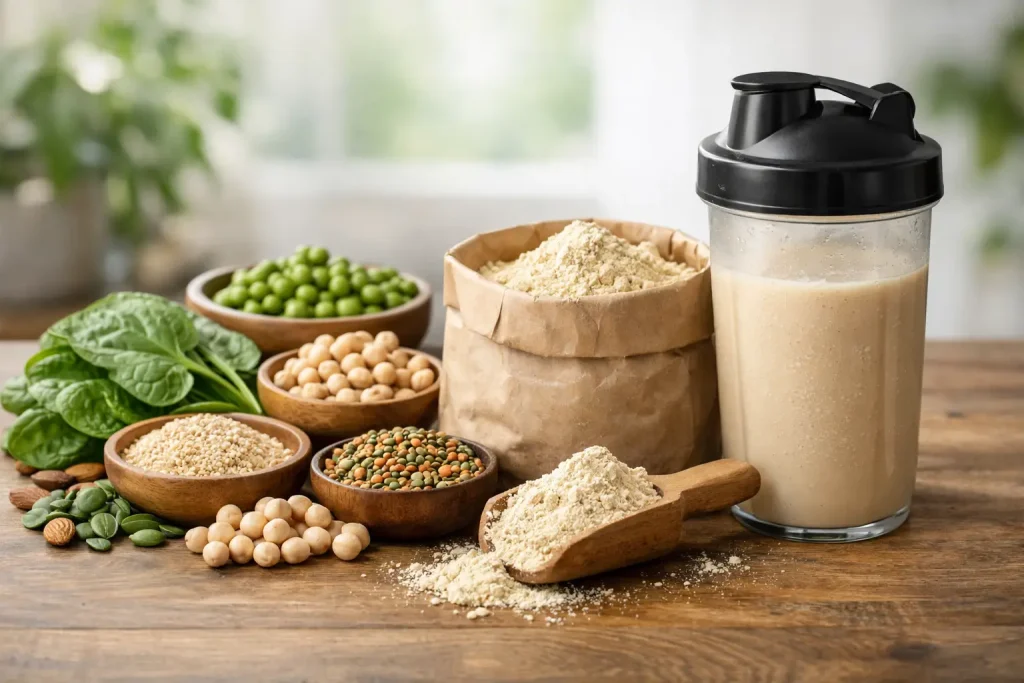
You do not need to be a bodybuilder to wonder whether protein powder belongs in your routine. For many adults, the real question is simpler and more practical: is organic plant based protein powder good for you if you just want better daily nutrition, steadier energy, and an easy way to fill gaps in your diet?
The short answer is yes, it can be. But the better answer is that it depends on the formula, your diet, and what you expect it to do. A well-made organic plant-based protein powder can be a convenient, low-calorie way to support muscle maintenance, satiety, and overall nutrition. A poorly designed one can be little more than expensive flavoring with added sugar or unnecessary fillers.
Is organic plant based protein powder good for you in real life?
For most healthy adults, organic plant-based protein powder can be a smart addition to daily eating habits. It is especially useful when meals are rushed, appetite is low, or protein intake tends to fall short. That makes it relevant for working professionals, busy parents, older adults, and anyone trying to eat well without overcomplicating the day.
Protein matters far beyond the gym. Your body uses it to maintain muscle, support tissue repair, produce enzymes and hormones, and help keep you feeling full after meals. If breakfast is coffee and a piece of toast, and lunch is whatever fits between meetings, a protein shake can help close a real nutritional gap.
The plant-based part also appeals to people who prefer lighter digestion, avoid dairy, or want more variety in their protein sources. Organic sourcing adds another layer for consumers who care about how ingredients are grown and processed.
Still, no powder should be treated as a shortcut for an otherwise poor diet. It works best as a supplement to balanced meals, not a replacement for whole foods across the board.
What makes a plant-based protein powder a good choice?
Not all plant proteins are built the same. The difference between a helpful product and a disappointing one usually comes down to protein quality, ingredient clarity, and how well the formula fits your goals.
A strong formula starts with meaningful protein content per serving. It should provide enough protein to make a difference, not just a token amount hidden behind sweeteners and flavoring agents. Blends that combine sources like pea, soy, wheat, or pumpkin seed can also improve the amino acid profile, which matters because different plants bring different strengths.
Digestibility matters too. Some people do very well with pea or soy protein, while others may find certain blends easier on the stomach than whey. If the powder includes digestive-friendly ingredients and avoids excessive gums, artificial additives, or sugar overload, it is more likely to become something you can use consistently.
Then there is the functional side. Some modern blends go beyond basic protein by including ingredients aimed at skin health, joint comfort, eye support, weight management, or general wellness. That can be useful if the formulation is thoughtful and the ingredients are included for a clear reason, not just label appeal.
The benefits people usually notice first
The first benefit is convenience. Protein powders solve a real problem: many people know they should eat better, but they do not always have time to prep balanced meals. Mixing a scoop into water, plant milk, oats, or a smoothie can be far easier than scrambling to assemble a high-protein snack.
The second is satiety. Protein can help you feel fuller for longer than a carb-heavy snack, which may support appetite control and make it easier to avoid constant grazing. This is one reason protein powders are often used in weight-management routines.
The third is consistency. Meeting your protein needs once in a while is not especially helpful. Meeting them regularly is what supports muscle maintenance, healthy aging, and recovery from daily wear and tear. A powder you enjoy and tolerate well can make consistency much easier.
For some people, there is also a comfort factor in choosing organic, non-GM, quality-assured products. Safety standards, manufacturing controls, and recognized certifications are not just marketing language. They can give consumers more confidence about what they are putting into their bodies each day.
Where the trade-offs come in
Organic plant-based protein powder is not automatically better just because it sounds clean or natural. Some products are low in protein, high in sugar, or padded with fillers that do little for your health goals. Others may have a chalky texture or taste so unpleasant that the tub sits untouched after a week.
There is also the question of completeness. Some single-source plant proteins may be lower in certain essential amino acids compared with animal-based proteins. That is why blended plant proteins are often a better choice. A thoughtful mix can help create a more balanced protein profile.
Cost can be another factor. Organic products with specialty ingredients often cost more than basic powders. That can be worthwhile if the product is well formulated and used consistently, but not if you are paying extra for trendy ingredients with very little practical benefit for your needs.
And for people with allergies or sensitivities, the ingredient list matters a lot. Soy, wheat, added herbs, and other functional compounds may not suit everyone. Reading the label carefully is part of choosing wisely.
How to tell if a formula is actually worth using
A good label should feel clear, not confusing. Start with the protein source. Pea, soy, pumpkin seed, and similar ingredients should be easy to identify. Then check how much protein you get per serving and how many calories, sugars, and additives come with it.
If the formula includes added wellness ingredients such as turmeric, green tea, sea buckthorn, astaxanthin, mushrooms, or beauty-support nutrients, ask a simple question: does this match your goal? If you want a general daily protein, you may not need an elaborate blend. If you want a powder that also supports skin, joints, or weight control, a targeted formula may make more sense.
Quality signals matter here too. Products made under recognized manufacturing and food safety standards offer more reassurance than powders with vague sourcing and no transparency. For many consumers, this is one of the biggest differences between buying on impulse and choosing a supplement they can trust.
This is also where brands like Nuewee stand out when they combine plant protein with condition-specific functional ingredients and clear quality positioning. The idea is not just to add protein, but to make that daily habit work harder for your broader wellness goals.
Who may benefit the most?
If you regularly miss meals, struggle to hit protein targets, or want a lower-calorie option that fits a busy routine, plant-based protein powder can be useful. It is often a good fit for adults trying to manage weight, support lean muscle, or avoid dairy-based products.
It can also help people whose needs are changing. As adults age, maintaining muscle becomes more important, not less. Appetite may decline, meal patterns may become less predictable, and convenience starts to matter more. A simple shake can be easier than eating a large protein-heavy meal.
For plant-based eaters, it can offer practical backup. Even people with generally healthy diets may have days when meals are light on protein. A powder can smooth out those low-intake days without requiring a major shift in eating habits.
That said, if you already meet your protein needs easily through whole foods and enjoy eating balanced meals, you may not need it every day. It can still be convenient, but it is not mandatory for good health.
So, is organic plant based protein powder good for you?
Yes, if it helps you meet real nutritional needs with a formula that is clean, well balanced, and suited to your body and goals. The value is not in the buzzwords alone. It is in the combination of protein quality, digestibility, practical convenience, and ingredient integrity.
When chosen well, it can support everyday wellness in a way that feels realistic. Not dramatic. Not complicated. Just one reliable tool that helps make healthy nutrition easier to maintain.
A good protein powder should earn its place in your routine by making daily health simpler, not more confusing. If it fits your needs, tastes good, and supports consistent habits, that is usually the clearest sign you made the right choice.